
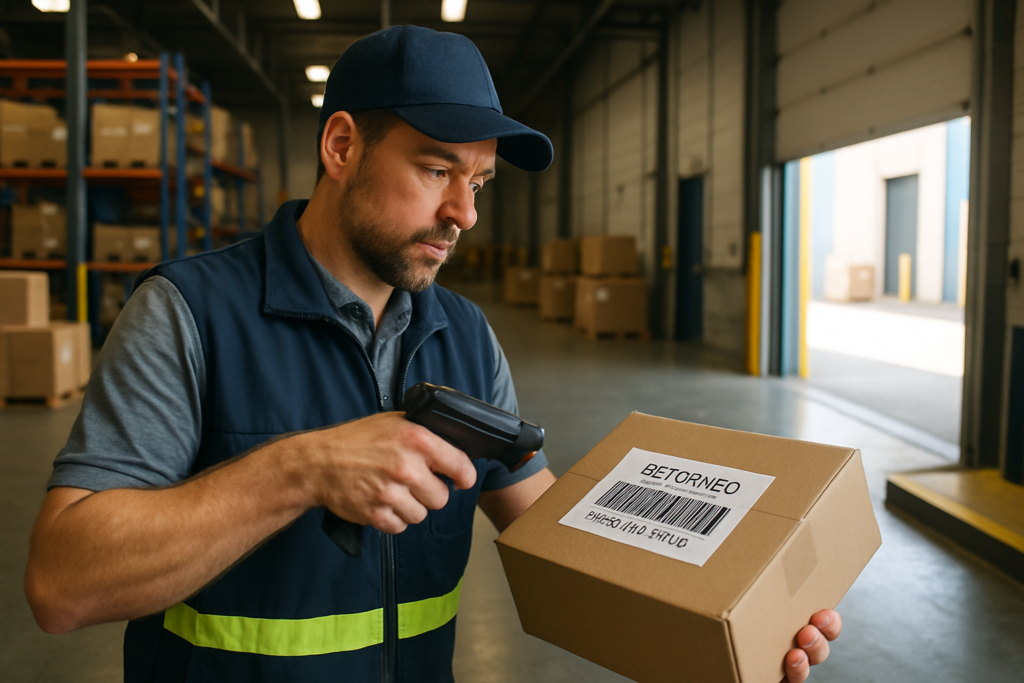
The reverse logistics process refers to the set of activities that move goods from the end customer back toward the manufacturer, retailer, or fulfillment center. These goods are returned for refund, repair, resale, or disposal. Managing the reverse logistics process well directly impacts your margins, customer satisfaction, and sustainability footprint.
Table of Contents
- Why the Reverse Logistics Process Is Growing So Fast
- The Core Stages of the Reverse Logistics Process
- Cost Realities and Common Bottlenecks
- How 3PLs Handle the Reverse Logistics Process More Efficiently
- Things to Know
- Take Control of Your Returns Operation
- Frequently Asked Questions
Why the Reverse Logistics Process Is Growing So Fast
Returns volume has climbed steadily alongside e-commerce growth. According to IMARC Group (2025), average online return rates hover between 16% and 20%. Meanwhile, global e-commerce sales surpassed $6.3 trillion in 2024. That volume creates enormous pressure on brands to handle returns faster and more cost-effectively.
The financial stakes are significant at the industry level. Grand View Research (2024) estimated the global reverse logistics market at $823.2 billion in 2024. Moreover, the market is projected to grow to $3.18 trillion by 2033 at a CAGR of 17.4%. These figures reflect how seriously both investors and operators now treat returns as a core business function rather than an afterthought.
Understanding supply chain management basics is a prerequisite. In particular, you need this foundation for building any reverse logistics strategy that actually holds up under real return volumes.
The Core Stages of the Reverse Logistics Process
Reverse logistics is not a single step. It moves through several distinct phases, each of which affects cost and recovery value.
1. Return Initiation: The customer requests a return through a portal, email, or customer service channel. Clear policies reduce friction here. Additionally, they cut unnecessary contacts.
2. Transportation Back to the Facility: Returned goods need to move efficiently. Choosing the right carrier matters significantly. For consolidated return shipments, understanding what is ltl freight can help brands reduce the per-unit cost. In particular, this knowledge reduces the cost of moving goods back from distribution points.
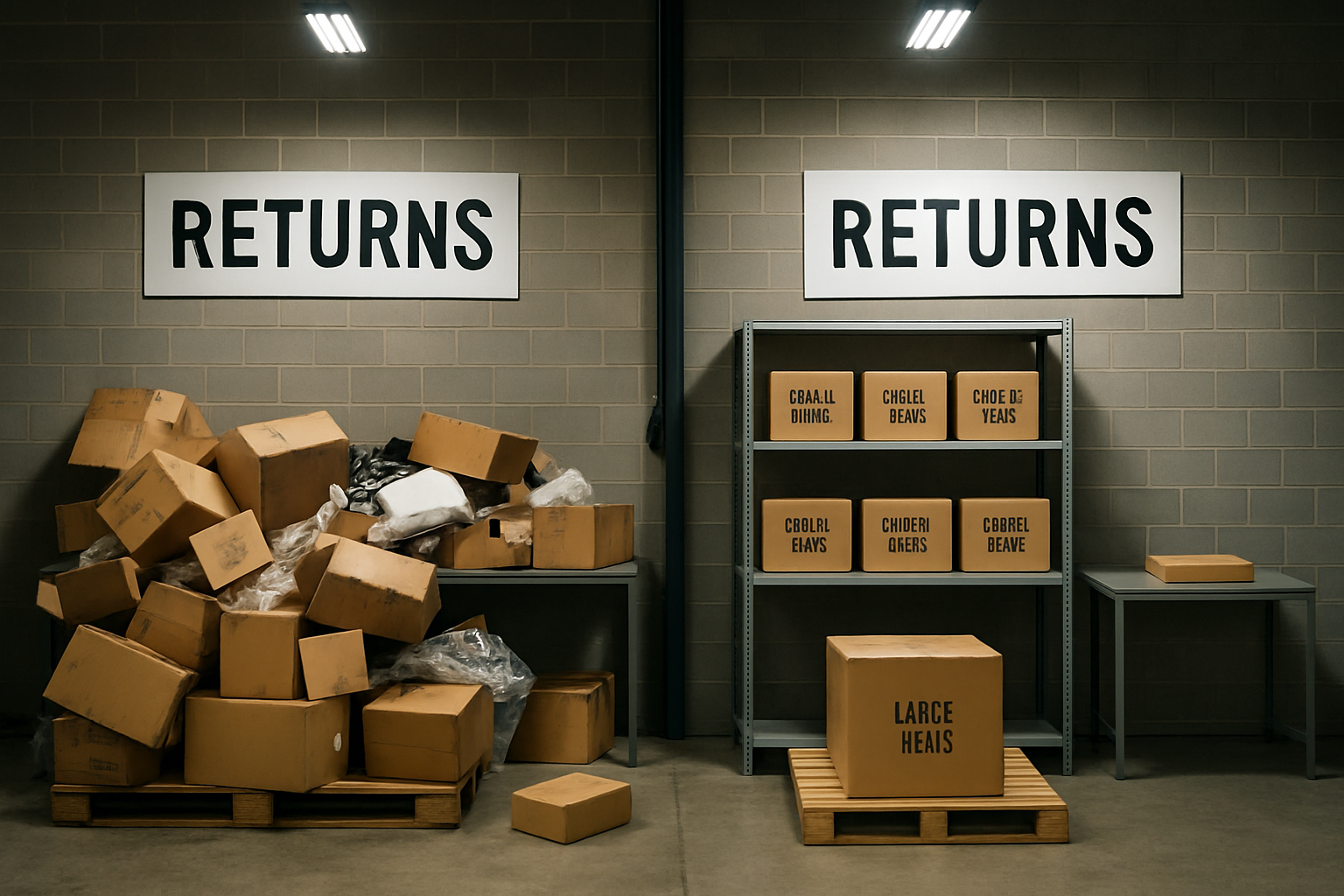
3. Receiving and Sorting: Once returns arrive, staff inspect and sort them by condition. Items fall into categories: resalable, refurbishable, recyclable, or disposable. This step determines recovery value and must happen quickly. Rapid processing protects that value.
4. Disposition: Each item gets routed to its appropriate next step. That could be restocking, refurbishing, liquidating, donating, or scrapping. Retailers currently throw away roughly 25% of all returns, according to industry estimates. This amounts to more than 5 billion pounds of goods entering landfills each year. That disposal rate represents both a cost and a reputational risk.
5. Resale or Recovery: Items cleared for resale re-enter inventory. Those that cannot be resold at full price may move through secondary markets. Furthermore, they can enter discount channels or certified refurbishment programs.
| Stage | Key Decision | Impact |
|---|---|---|
| Return Initiation | Policy clarity | Reduces unnecessary returns |
| Transportation | Carrier selection | Affects per-unit cost |
| Receiving and Sorting | Speed and accuracy | Protects recovery value |
| Disposition | Recovery routing | Drives margin or waste |
| Resale or Recovery | Channel selection | Maximizes asset value |
Cost Realities and Common Bottlenecks
Returns processing costs retailers approximately $3 per package when routed to stores. However, handling returns at distribution centers costs $6 per package, according to Capstone Logistics (2025). Those figures add up fast at scale.
Common bottlenecks include slow inspection workflows. Additionally, poor labeling on returned items creates delays. Furthermore, lack of real-time inventory visibility compounds the problem. Unclear disposition rules also slow operations. Each one delays recovery and drives up labor costs. Brands that invest in a warehouse management system (WMS) gain significant advantages. In particular, they track return status in real time.
Knowing how to reduce shipping costs on return legs is another lever. Therefore, this directly affects total landed cost per return.
How 3PLs Handle the Reverse Logistics Process More Efficiently
Over 40% of retailers use third-party logistics providers. These providers manage returns according to a DC Velocity survey cited by Capstone Logistics (2025). The operational case is straightforward. 3PLs bring dedicated infrastructure, trained staff, and established carrier relationships. Most brands cannot cost-justify building these capabilities in-house.
Understanding what is a 3pl company helps brands evaluate whether outsourcing returns management makes sense. Your volume and complexity should guide this decision.
Warehouse Logistics NYC handles returns management as part of its full fulfillment offering. The service combines real-time WMS inventory visibility with pick-and-pack, repackaging, and restocking capabilities. These services span e-commerce, wholesale, and retail channels.
Things to Know
- B2B and commercial returns accounted for 35.1% of the reverse logistics market share in 2024, per Grand View Research. This makes this a significant segment beyond consumer e-commerce.
- Defective returns led all return categories in 2025 with a 28% market share, according to Global Market Insights Inc. (2025). This means quality control upstream can meaningfully reduce return volume.
- In January 2025, DHL Supply Chain acquired Inmar Supply Chain Solutions. The acquisition made DHL the largest returns processor in North America, per Precedence Research. This signals major consolidation in this space.
- A January 2025 ScienceDirect study found that direct feedback systems help reduce early returns. Moreover, expanding recovery options improves both economic and environmental outcomes.
Take Control of Your Returns Operation
A poorly managed reverse logistics process quietly erodes margin on every order you ship. If your returns create backlogs, they cost more than they should. Or if recoverable inventory gets stuck in limbo, that is a solvable operational problem.
Request a free estimate from Warehouse Logistics NYC. Learn how our returns management and fulfillment services reduce your cost-per-return and speed up recovery. Tell us your monthly return volume. We will map out a solution built around your operation.
Frequently Asked Questions
Q: What is the difference between reverse logistics and returns management?
Returns management is one component of the broader reverse logistics process.
Reverse logistics covers the entire flow of goods moving backward through the supply chain. This includes returns, repairs, recycling, and disposal. Returns management specifically focuses on customer-initiated returns. Additionally, it covers how brands process those returns once received.
Q: How long should the reverse logistics process take from customer return to restocking?
Best-in-class operations aim to inspect, sort, and restock eligible returns within 48 to 72 hours of receipt.
Delays beyond that window increase the risk that a returned item loses resale value. This risk is particularly high for seasonal or trend-driven products. Real-time WMS tracking helps teams identify and clear bottlenecks before they compound.
Q: Can small or mid-sized e-commerce brands afford to outsource reverse logistics?
Yes, outsourcing to a 3PL is often more cost-effective than building in-house capacity.