

Less-than-truckload (LTL) freight is a shipping method where multiple shippers share space on a single truck. Each shipper pays only for the portion they use. It’s the go-to option for businesses that need to move shipments too large for parcel carriers but too small to justify a full truckload. Understanding what is LTL freight helps you make smarter decisions about your supply chain.
Key Takeaways
- LTL freight lets businesses share truck space and costs with other shippers, making it cost-effective for mid-sized loads.
- Shipments typically weigh between 150 and 15,000 lbs and are palletized for carrier handling.
- Freight class, weight, and dimensions all directly affect LTL pricing.
- LTL shipping pairs naturally with 3PL warehousing to reduce storage overhead and improve fulfillment speed.
- Transit times are longer than full truckload, but accessorial services add flexibility for diverse delivery needs.
- Understanding your freight profile upfront prevents billing surprises and service delays.
Table of Contents
- How LTL Freight Actually Works
- LTL vs. FTL: What Is the Right Choice
- What Determines LTL Freight Pricing
- How LTL Shipping Fits Into a Warehousing Strategy
- Things to Know
How LTL Freight Actually Works
When a business ships via LTL, a carrier consolidates multiple shipments from different companies into a single trailer. Each shipper’s goods occupy a portion of that space. The freight cost is divided accordingly. This consolidation model makes it financially practical for businesses moving anywhere from one to six pallets at a time.
The typical flow of what is LTL freight follows these steps:
- Pickup: The carrier collects your freight from your warehouse or dock.
- Origin terminal: Your shipment arrives at a regional hub where it’s sorted and loaded with other freight headed in the same direction.
- Line haul: The consolidated trailer moves to a destination terminal, sometimes through a relay terminal depending on distance.
- Delivery: The carrier makes a final-mile delivery to the consignee, which may include a liftgate or inside delivery depending on agreed accessorial services.
Because freight is transferred between terminals, LTL transit times are longer than full truckload. A cross-country shipment might take five to seven business days. Meanwhile, a regional move could clear in one to two days. This is a real trade-off businesses need to weigh against cost savings.
LTL vs. FTL: What Is the Right Choice
Choosing between LTL and full truckload (FTL) comes down to shipment size, urgency, and cost tolerance. Here’s a direct comparison:
| Factor | LTL | FTL |
|---|---|---|
| Shipment size | 1 to 6 pallets / 150 to 15,000 lbs | 6+ pallets / 15,000+ lbs |
| Cost structure | Pay for space used | Pay for full trailer |
| Transit time | Longer (multiple stops/terminals) | Faster (direct route) |
| Handling | Multiple touchpoints | Minimal handling |
| Damage risk | Slightly higher | Lower |
| Best for | Smaller, regular shipments | Large, time-sensitive loads |
LTL makes sense when you’re shipping regularly but don’t have enough volume to fill a trailer. In contrast, FTL is worth the premium when product fragility, timing, or volume justifies it. For most growing eCommerce and wholesale businesses, LTL represents the practical middle ground before they scale into dedicated truckload territory.
What Determines LTL Freight Pricing
LTL pricing is more nuanced than parcel shipping. Understanding it upfront prevents billing surprises. Several variables interact to produce your rate.
Freight Class: The National Motor Freight Traffic Association (NMFTA) assigns every commodity a freight class from 50 to 500. The class reflects density, stowability, handling ease, and liability. A class 50 shipment (like dense, packaged hardware) costs far less per hundredweight than a class 250 shipment (like flat-screen TVs).
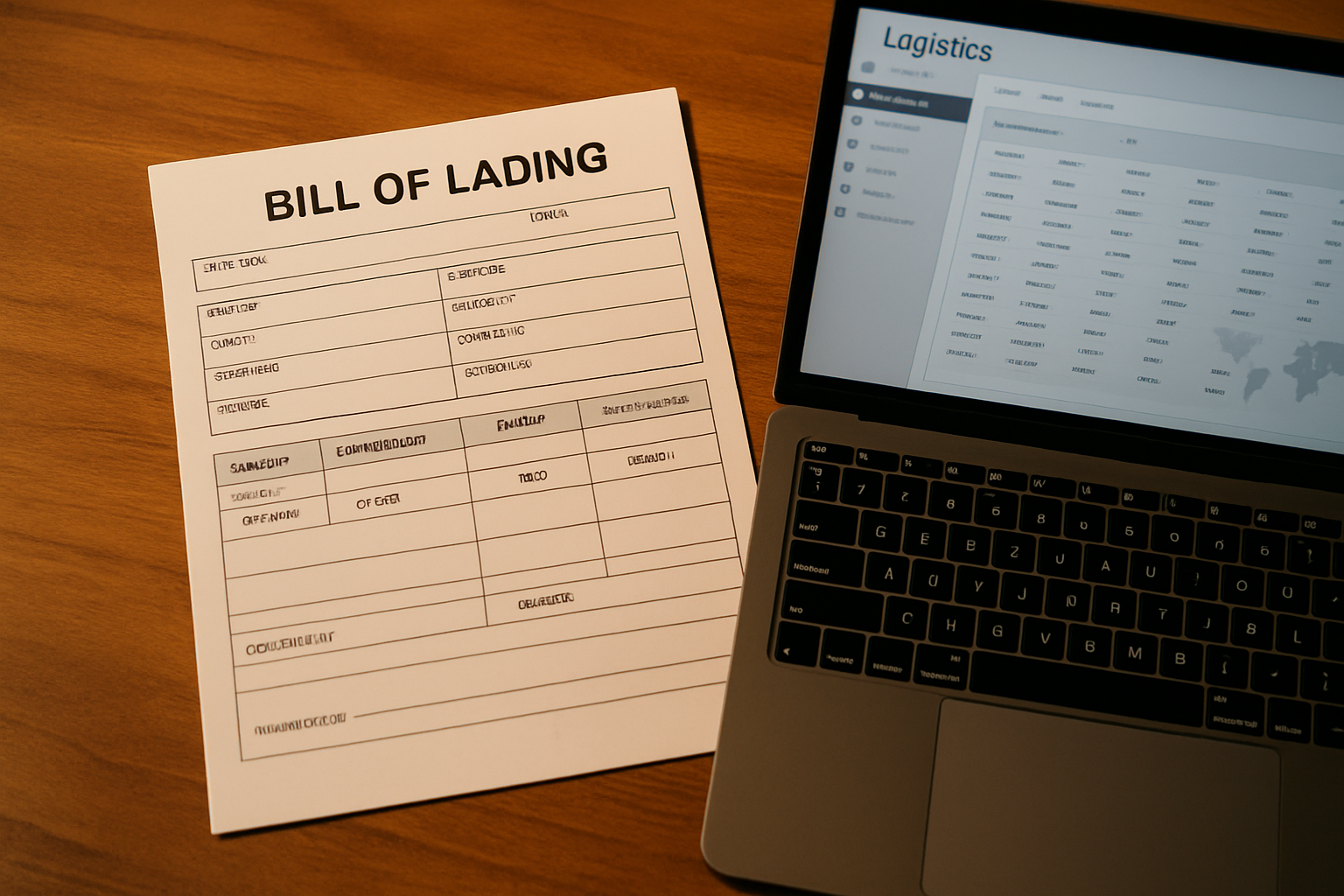
Weight and Dimensions: Carriers charge by the hundredweight (CWT). However, dimensional weight calculations apply when cargo is light relative to its size. An inaccurate measurement on your bill of lading can trigger a reclassification charge after delivery.
Accessorial Fees: These are add-ons that many shippers overlook. Additionally, common ones include:
- Liftgate pickup or delivery
- Residential delivery surcharge
- Limited access location fees
- Inside delivery charges
- Fuel surcharges (adjusted weekly by most carriers)
Origin and Destination Lanes: Carrier density in your lane affects pricing significantly. High-volume lanes between major metros tend to be cheaper. Furthermore, rural or point-to-point lanes with less carrier competition cost more.
Because pricing depends on accurate freight profiling, it’s worth auditing your shipment data regularly. For businesses managing inventory in shared warehouse space, knowing exactly what you’re holding and shipping at any given time is critical. Resources like real time inventory tracking how businesses stay in control of their stock explain how a live WMS can support that precision.
How LTL Shipping Fits Into a Warehousing Strategy
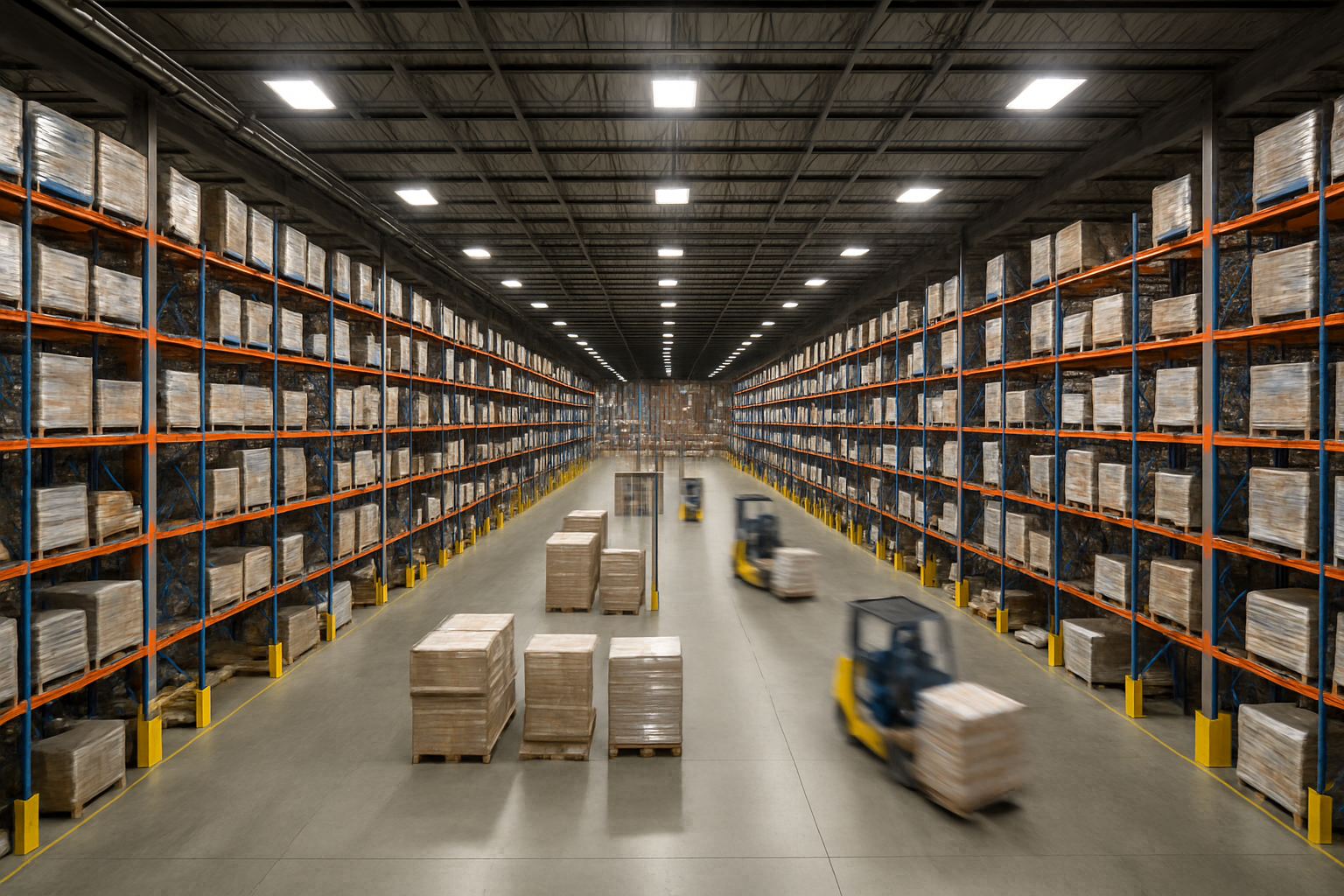
LTL freight doesn’t operate in isolation. For most businesses, it sits within a broader supply chain that includes warehousing, inventory management, and order fulfillment. Getting the most out of LTL means aligning it with your storage and operational setup.
For businesses operating in high-cost urban markets, warehouse positioning matters enormously. Being close to major freight terminals reduces transit time and pickup fees. If you’re evaluating where to base your inventory, understanding 6 benefits of warehouse storage in new york city puts the geographic and logistical advantages of an NYC location in sharp focus.
At Warehouse Logistics NYC, we coordinate LTL freight directly as part of our 3PL services. That means we handle the pickup scheduling, carrier coordination, and documentation. Our clients aren’t managing multiple vendor relationships on their own. This matters especially for B2B wholesale fulfillment. EDI compliance and routing guide adherence are non-negotiable in this space.
Equally important is knowing how much space your freight operations actually require. Carrying excess inventory drives up storage costs. In contrast, underestimating space leads to fulfillment bottlenecks. Operators who want to size their warehousing correctly should consider how to calculate the warehouse space your business actually needs before committing to a storage contract.
Because LTL shipments interact with inventory levels both inbound and outbound, accuracy in stock counts becomes a baseline requirement. Therefore, why regular inventory audits are essential for commercial storage is a practice we treat as non-negotiable rather than a nice-to-have.
Things to Know
- Freight class errors are expensive. If you misclassify your commodity, carriers will reclassify it after delivery. They bill you for the difference, sometimes weeks later.
- Dimensional weight applies even in LTL. Lightweight, bulky shipments may cost more than their actual weight suggests. This happens because of how they consume trailer space.
- Delivery appointments add time. If your consignee requires a scheduled delivery window, factor in an additional 24 to 48 hours on top of standard transit estimates.
- Not all carriers serve all lanes equally. A carrier with strong Midwest coverage may be a poor choice for a Pacific Northwest delivery. Therefore, carrier selection should match your lane, not just your rate.
- Returns require a separate plan. Inbound LTL for reverse logistics often runs at different rates. Additionally, it needs its own BOL documentation and receiving protocol.
Talk to a 3PL That Handles LTL Freight End to End
Managing what is LTL freight on your own adds complexity to an already demanding supply chain. Working with a 3PL that coordinates freight alongside warehousing and fulfillment removes that burden. It keeps your operation moving without gaps between vendors.
Call us today to discuss how Warehouse Logistics NYC can manage your LTL freight coordination, storage, and fulfillment under one roof.
📞 Call Us to Discuss Your Freight Needs
Frequently Asked Questions
Q: What weight range qualifies as LTL freight?
LTL shipments typically fall between 150 and 15,000 lbs. Below 150 lbs, parcel carriers like UPS or FedEx are usually more cost-effective. Above 15,000 lbs, or when you’re filling more than half a trailer, full truckload pricing often becomes more competitive than LTL rates.
Q: How long does an LTL shipment take to arrive?
Transit times for LTL range from one business day for regional moves to seven or more days for coast-to-coast shipments. Multiple terminal transfers slow the process compared to FTL. If your delivery has a hard deadline, discuss guaranteed transit options with your carrier. Most major LTL carriers offer a premium expedited service.
Q: What is a freight class and why does it matter?
Freight class is a standardized classification system that determines how much you pay per hundredweight on an LTL shipment. The NMFTA assigns classes based on density, handling difficulty, stowability, and liability. Higher classes mean higher rates. Therefore, accurate classification is essential to getting an honest quote and avoiding reclassification fees.
Q: Can a 3PL manage LTL freight on my behalf?
Yes, most full-service 3PLs coordinate LTL shipping as part of their standard offerings. This typically includes carrier selection, BOL preparation, pickup scheduling, and tracking. For businesses without a dedicated logistics team, outsourcing freight coordination to a 3PL reduces errors and frees internal resources for core operations.
Q: What is the difference between LTL and parcel shipping?
Parcel shipping handles individual packages, while LTL handles palletized freight that exceeds standard parcel size and weight limits. Parcel carriers like UPS and FedEx cap shipments around 150 lbs per package. Once your shipment exceeds that threshold or requires pallet-level handling, LTL becomes the appropriate and generally more cost-effective mode.
The Bottom Line on What Is LTL Freight
Understanding what is LTL freight is the first step toward making smarter shipping decisions. It’s a proven, cost-effective method for businesses that move mid-sized loads regularly without the volume to justify a dedicated trailer. The key is pairing it with accurate freight profiling. Additionally, select the right carrier for your lane. Furthermore, ensure a warehousing setup that supports smooth inbound and outbound flow.
If your business is ready to streamline freight coordination alongside fulfillment and storage, the next step is a direct conversation with a logistics provider who handles both. Reach out to Warehouse Logistics NYC to get a freight and warehousing plan built around your actual shipment profile.