
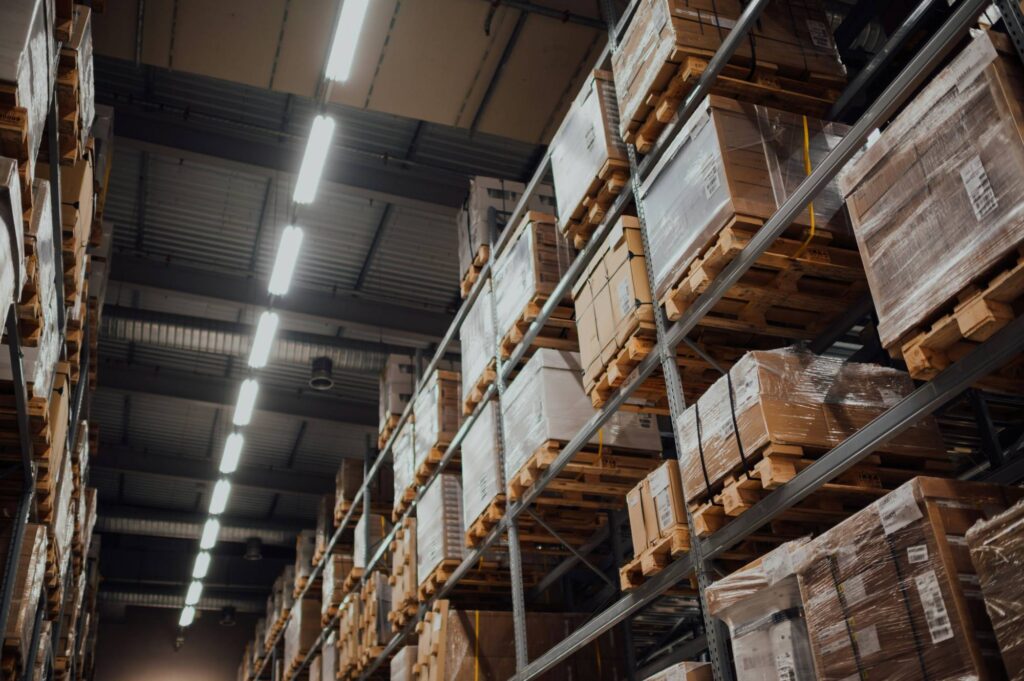
The success of your supply chain often depends on what happens behind the scenes—inside the warehouse. The four main functions of a warehouse are receiving (accepting incoming goods), storage (organizing and holding inventory efficiently), order picking and packing (retrieving and preparing products for shipment), and shipping and distribution (sending orders out accurately and on time).
Together, these functions manage the entire flow of products from arrival to departure, forming the operational backbone of effective inventory control and logistics management.
Table of Contents
Key Takeaways✔ The four core warehouse functions—receiving, storage, picking and packing, and shipping—work together to keep inventory moving efficiently. ✔ Well-structured warehouse operations directly impact order accuracy, delivery speed, and overall business scalability. ✔ Modern warehousing solutions go beyond storage by integrating technology, process control, and value-added services. ✔ Warehouse kitting service and fulfillment help businesses streamline complex orders without adding internal operational strain. ✔ Partnering with an experienced warehousing NYC provider can reduce costs, improve reliability, and support long-term growth. |

What is The Main Role in a Warehouse?
4 Main Functions of a Warehouse
Receiving: The Entry Point of Warehouse Operations
Accurate receiving directly impacts inventory accuracy, which measures how closely system records match physical stock and supports smooth warehouse operations throughout the fulfillment process.
Effective receiving includes:
- Accepting inbound shipments
- Verifying quantities and SKUs
- Inspecting for damage or discrepancies
- Logging inventory into warehouse systems
For warehousing in NYC, receiving is especially critical due to high shipment volumes, limited dock space, and strict scheduling. Experienced teams and documented workflows make all the difference.
Storage: Efficient Inventory Organization and Control
Once received, products must be stored in a way that balances accessibility, safety, and space efficiency.
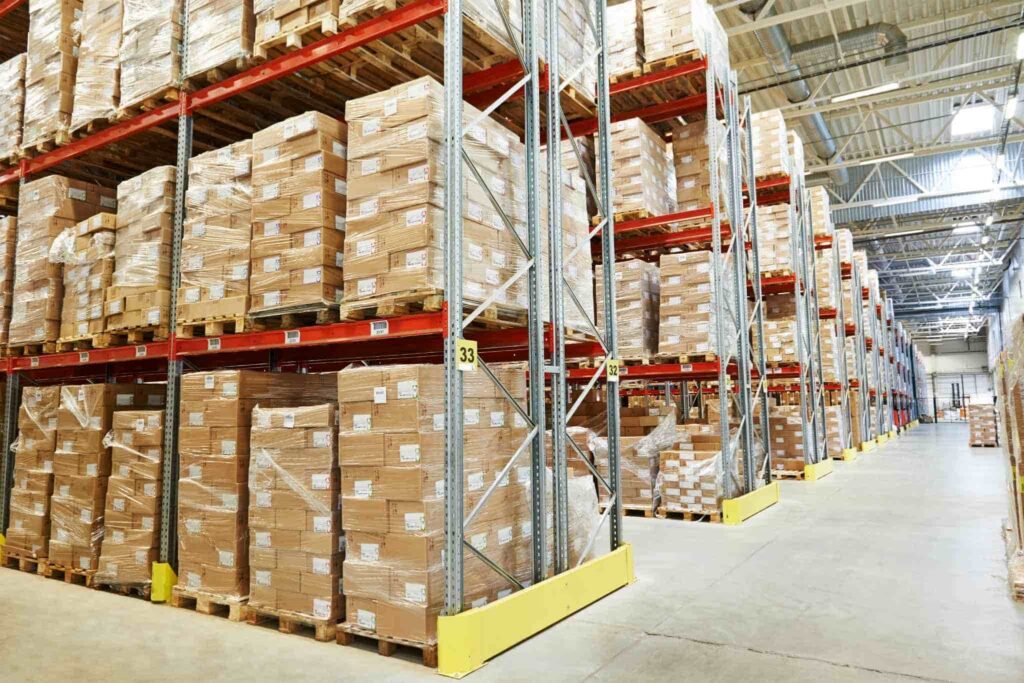
Smart storage within modern warehousing solutions includes:
- Logical SKU placement
- Racking systems designed for inventory type
- Climate control where needed
- Real-time inventory visibility
This is another point where understanding what is a warehouse matters. In New York, where space is expensive, optimized storage layouts help businesses control costs while improving order speed.
Picking and Packing: Order Accuracy and Fulfillment Speed
Best-in-class warehouse operations typically maintain order accuracy rates between 99.5% and 99.9%. Achieving this level of precision significantly reduces returns, prevents costly reshipments, and reinforces customer confidence
This function involves:
- Retrieving items from storage
- Assembling orders accurately
- Packing items securely and efficiently
- Preparing orders for shipment
In high-performing warehouse operations, picking methods are chosen intentionally—batch, zone, or wave picking—to reduce errors and speed fulfillment.
This stage is also closely tied to warehouse kitting service and fulfillment, especially for businesses shipping bundled products, subscription boxes, or multi-SKU orders. Precision here protects brand reputation and reduces costly returns.
Shipping and Distribution: Delivering on Customer Expectations
Shipping is the final warehouse function—and often the most time-sensitive.
It includes:
- Final order verification
- Labeling and documentation
- Carrier coordination
- Dispatch and tracking
For businesses using warehousing in NYC, shipping must account for traffic patterns, carrier cutoffs, and regional delivery constraints. Efficient shipping operations ensure products leave the warehouse on time and arrive as promised.
What Are the 5 Types of Warehouses and Their Functions?
Not all warehouses serve the same purpose. Understanding the main types helps businesses choose the right warehousing solutions.
- Distribution Centers: Focused on fast-moving inventory and rapid order fulfillment
- Public Warehouses: Flexible storage for short- or long-term needs
- Private Warehouses: Dedicated facilities for a single business
- Bonded Warehouses: Secure storage for imported or regulated goods
- Fulfillment Warehouses: Designed for high-volume order processing and shipping
Each type supports different warehouse operations, but all rely on the same four core functions.
What Is FIFO in a Warehouse?
FIFO, or First In, First Out, is a foundational inventory management principle.
In FIFO systems:
- Older inventory is shipped before newer inventory
- Product freshness and quality are preserved
- Inventory write-offs are reduced
FIFO is critical in industries handling food, medical supplies, or time-sensitive goods. Most professional warehousing NYC providers design their warehouse operations to support FIFO through layout planning and system controls.
Do and Don’ts in Warehouse Operations
Following these guidelines strengthens warehouse operations and protects long-term efficiency.
Do
- Standardize processes across all warehouse functions
- Train staff consistently
- Use technology to track inventory in real time
Don’t
- Overcrowd storage areas
- Skip receiving inspections
- Sacrifice accuracy for speed

How to Work Faster in a Warehouse Without Sacrificing Accuracy
Speed matters—but only when paired with precision. Businesses improve performance by:
- Optimizing warehouse layout
- Reducing unnecessary handling
- Using data to refine workflows
- Partnering with experienced warehousing solutions providers
Efficiency gains should always support accuracy, especially in warehouse kitting service and fulfillment, where mistakes multiply quickly.
Frequently Asked Questions (FAQs)
How does professional warehousing in NYC help businesses reduce operating costs?
Professional warehousing services reduce overhead by eliminating the need for long-term leases, in-house labor, and costly infrastructure, while improving efficiency across daily warehouse operations.
When should a business consider outsourcing its warehouse operations?
Businesses often outsource warehouse operations when order volume increases, space becomes limited, or accuracy issues arise that internal teams can no longer manage efficiently.
How do warehousing solutions support business scalability?
Flexible warehousing solutions allow businesses to scale storage, labor, and fulfillment capacity up or down without major capital investment, making growth more predictable and controlled.
Is warehouse kitting service and fulfillment suitable for B2B businesses?
Yes, warehouse kitting service and fulfillment supports B2B operations by streamlining bundled orders, reducing handling time, and improving consistency across large or recurring shipments.
What should businesses look for when choosing a warehouse partner in NYC?
Businesses should prioritize experience, system transparency, accuracy standards, and local expertise when evaluating warehousing NYC providers to ensure reliable, long-term support.
Take Control of Your Warehouse Operations Today
For businesses that rely on warehousing in NYC, working with an experienced logistics partner is a strategic decision, not just an operational one. Warehouse Logistics By Best provides comprehensive warehousing solutions designed to support modern warehouse operations in New York, NY.
Contact us today to learn more about our warehousing solutions.