
Short-Term vs. Long-Term Warehousing: How to Choose the Right Storage Option
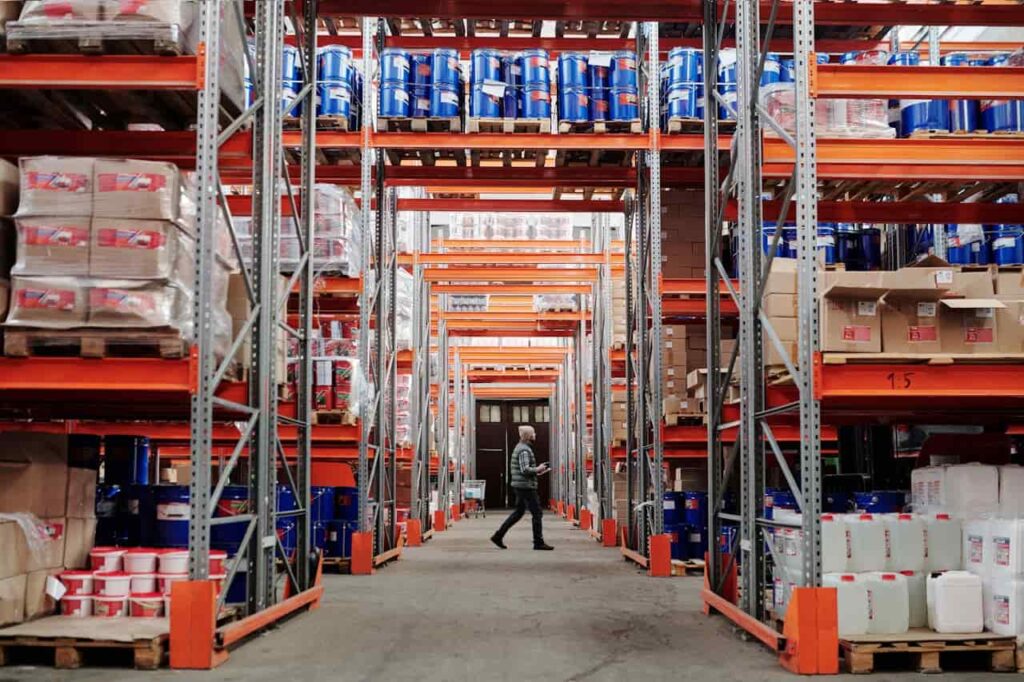
For businesses in New York, NY, warehousing is more than storage; it’s a strategic decision that affects cash flow, order fulfillment, and scalability. Choosing between short-term warehousing and long-term warehousing depends on your inventory turnover, growth stage, and operational goals.
5 Industries That Benefit Most From Professional Warehousing Services

As supply chains become more complex and customer expectations rise, businesses across industries are rethinking how they store, manage, and move inventory. Professional warehousing services play a critical role in keeping operations efficient, costs predictable, and deliveries reliable, especially in high-demand markets like New York, NY.
What Does a Commercial Warehousing Company Do? A Complete Guide for Businesses

Commercial warehousing provides secure facilities for storing, managing, and distributing raw materials or finished products. That role matters more than ever as demand keeps shifting online. In the U.S., e-commerce accounted for 16.4% of total retail sales in Q3 2025.
21 Types of Warehouse Worker Positions & Their Duties

Find a good 3pl warehouse in New York City by defining needs first, then comparing WMS tech, scalability, compliance, and value-added services.
How Do You Find a Good Storage 3PL Warehouse

Find a good 3pl warehouse in New York City by defining needs first, then comparing WMS tech, scalability, compliance, and value-added services.
What are the 5 Principles of Logistics?

Learn the 5 principles of logistics, from planning to KPIs, and how strong warehouse logistics help businesses cut costs and scale in NYC.
What are the 4 Main Functions of a Warehouse?
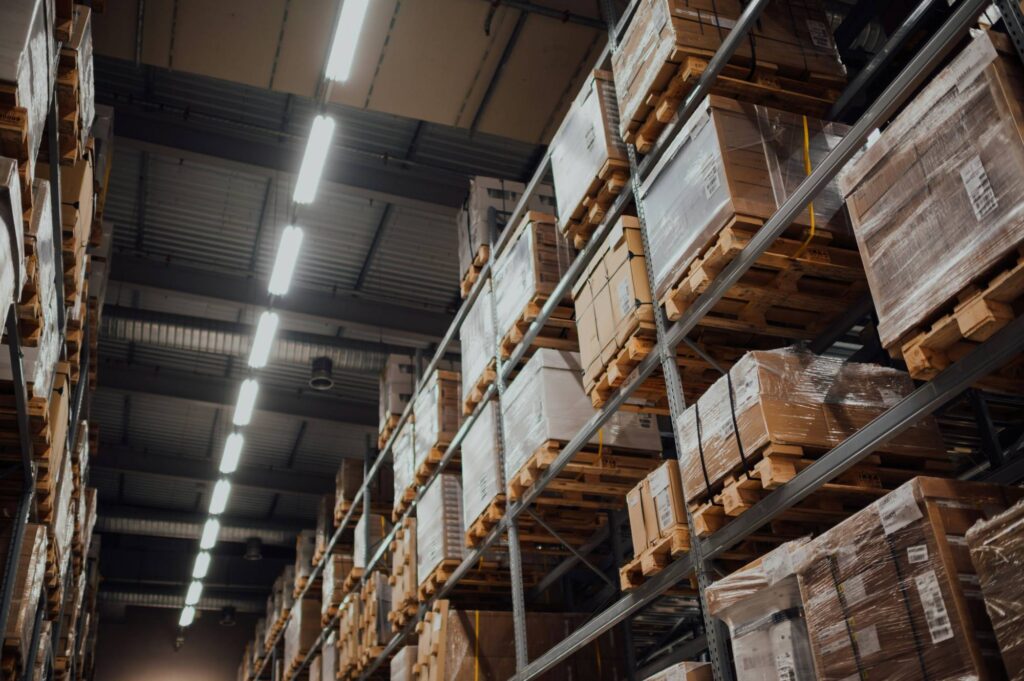
The success of your supply chain often depends on what happens behind the scenes—inside the warehouse. The four main functions of a warehouse are receiving (accepting incoming goods), storage (organizing and holding inventory efficiently), order picking and packing (retrieving and preparing products for shipment), and shipping and distribution (sending orders out accurately and on time).
How to Find Warehousing in NYC Without Overpaying
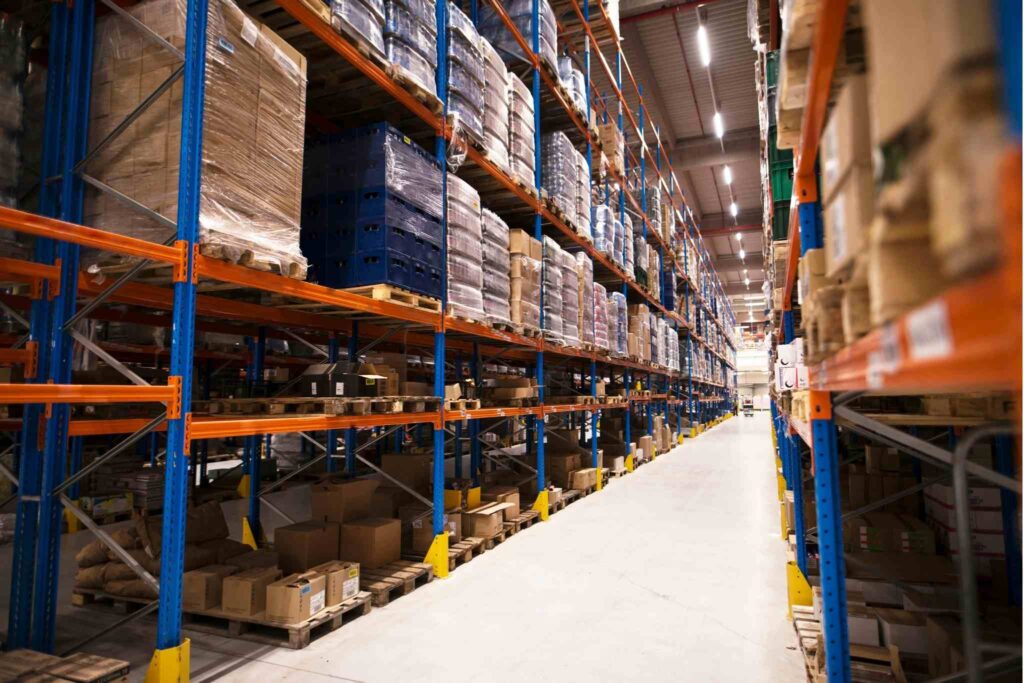
New York City warehouse prices can drain margins fast unless the search starts with a clear plan and a sharp eye for hidden costs. Even with roughly 158.9 million square feet of industrial space across the city—much of it concentrated in mid-sized facilities between 10,000 and 49,999 square feet (about 46.3 million square feet total)—competition for the right location and layout keeps rates high and availability tight.
Why NYC Warehousing Flexibility Is Critical in a Tariff-Driven Market
When tariff volatility threatens supply chain stability, flexible warehousing NYC solutions become the difference between moving ahead and falling behind.
How Warehousing in NYC Impacts Supply Chain Efficiency
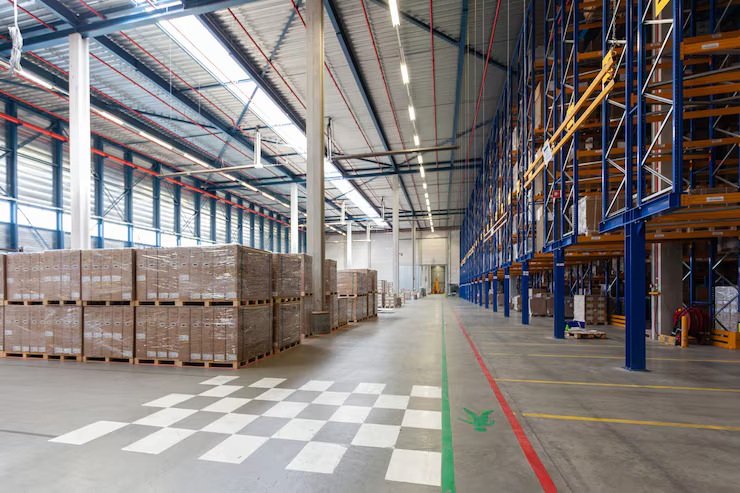
According to the New York State Comptroller, NYC’s transportation and warehousing sector has experienced steady job growth in recent years, largely driven by the surge in goods movement. This trend reflects how essential warehousing in NYC has become for fast, reliable distribution.