
What’s In This Guide
As order volumes rise and catalog complexity grows, providers of warehousing services need efficient ways to place inventory across their facilities. AI slotting optimization helps 3PL facilities analyze demand patterns and product characteristics to determine suitable locations for fast-moving SKUs.
Quick Facts
- AI slotting uses multiple data signals, rather than velocity alone, to recommend where each SKU should be stored to support pick path optimization.
- Fast movers usually benefit from shorter pick paths and ergonomic pick heights, but size, weight, and replenishment needs can override proximity.
- Affinity analysis identifies products commonly ordered together so the system can reduce unnecessary picker travel.
- Dynamic slotting responds to changing demand instead of treating a warehouse layout as permanent.
- A 3PL warehouse can use slotting recommendations to improve labor efficiency while accounting for safety, storage density, and client-specific rules.
What Is AI Slotting Optimization?
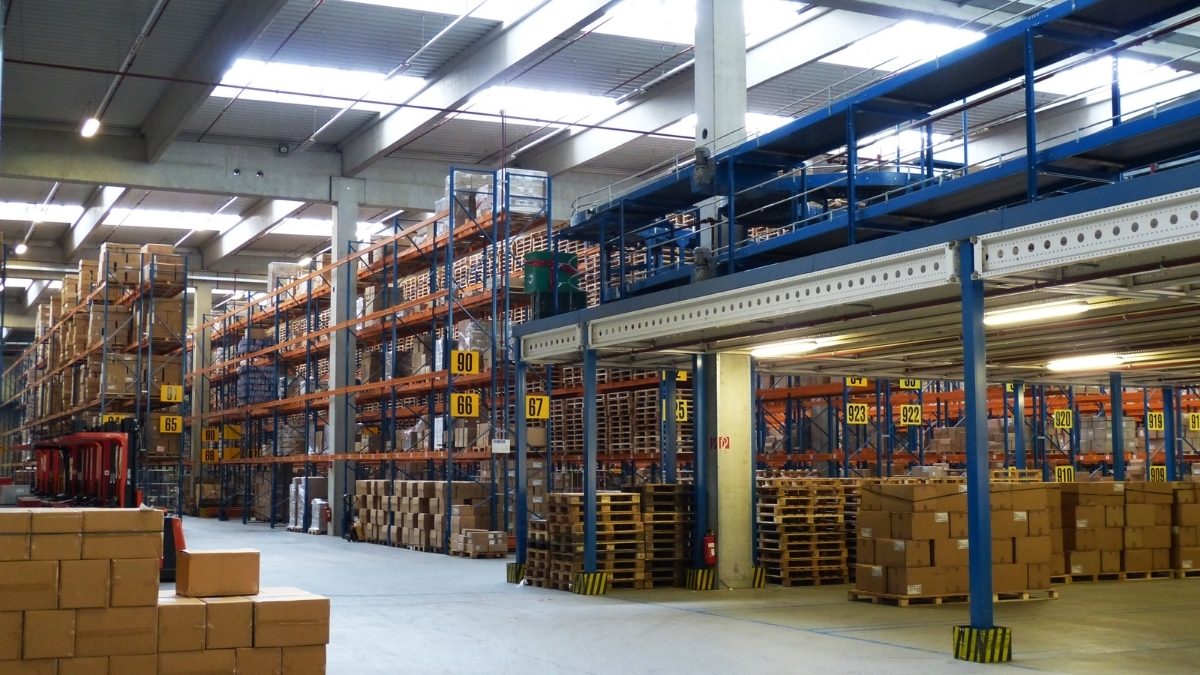
AI slotting optimization uses warehouse data and optimization models to recommend the best storage location for each SKU. Instead of relying only on fixed ABC classifications or a supervisor's experience, the system can evaluate order history, SKU dimensions, pick frequency, product relationships, replenishment activity, and operating constraints at the same time.
MHI describes SKU velocity analysis as a way to identify fast-moving products and place high movers in the picking area's "golden zone." AI-based slotting extends that logic by weighing more variables as order patterns change.
How Does AI Decide Where a SKU Should Go?
Velocity
SKU velocity analysis measures how often an item is picked. High-frequency SKUs generally belong closer to primary pick and pack paths.
Affinity
Products frequently ordered together may be placed near each other. SKU correlation can be used to group items that commonly appear in the same carton or pick wave.
Cube
A fast seller that occupies substantial cubic space may need a larger slot, floor-level position, or reserve inventory nearby. AI can balance accessibility against storage density.
Ergonomics
Location quality is not only about distance. OSHA's warehousing guidance identifies bending, overhead reaching, awkward postures, and repetitive tasks as ergonomic risk factors. For individual-item picking, OSHA recommends placing high-volume items near standing elbow height.
Replenishment Frequency
A tiny forward-pick slot may look efficient until workers must refill it constantly. Slotting models should compare pick travel savings with the labor required to replenish the location.
READ MORE: Warehouse Automation Technology: Market Trends, Systems, and What It Means for Your Supply Chain
Traditional Slotting vs. AI-Based Slotting
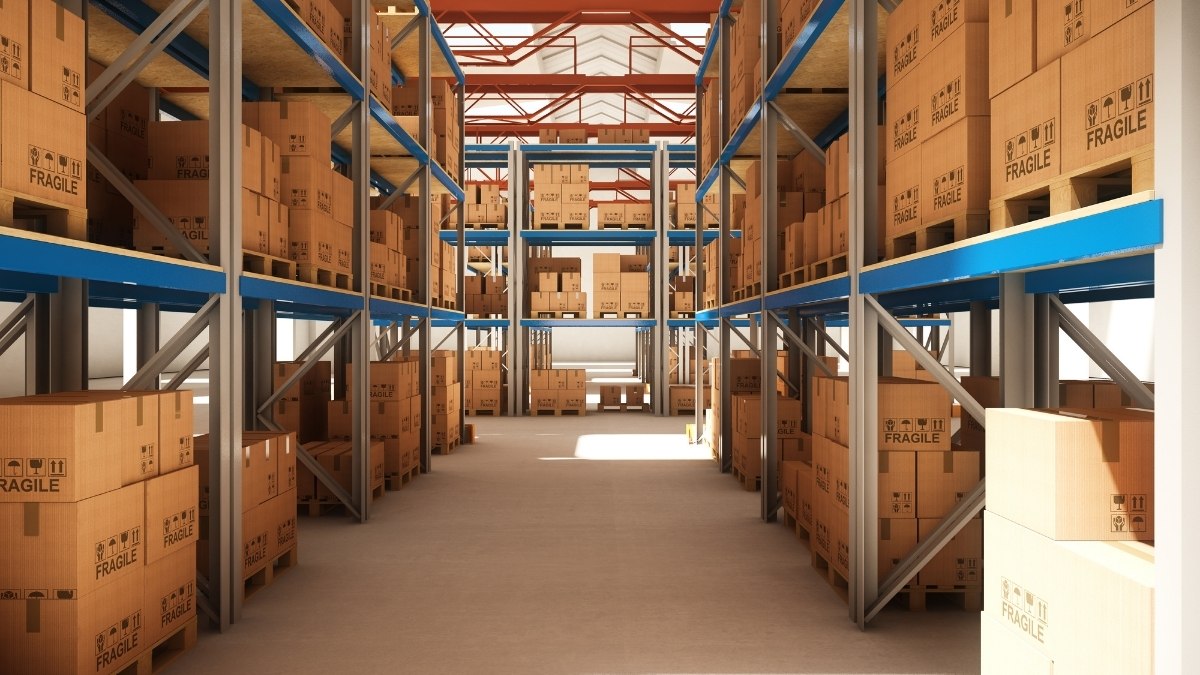
Traditional slotting often relies on periodic ABC reviews, fixed location rules, and historical averages. It works best when demand is stable and SKU relationships change slowly.
AI-based slotting can analyze more variables at once, test competing placement rules, and refresh recommendations as demand shifts. Recent research in Computers & Industrial Engineering describes an AI and simulation framework for high-mix warehouse slotting that reduced total cycle time by 14.3% and blocked time by 33.7% in its reported case study. Those results are specific to that study, not a guaranteed outcome for every warehouse.
How AI Slotting Works in a 3PL Warehouse
- Collect SKU and order data. Pull pick frequency, order lines, dimensions, weight, replenishment history, and location constraints from the WMS and related systems.
- Calculate velocity and affinity. Rank fast movers, then identify products that frequently appear in the same orders.
- Apply physical constraints. Match SKU cube, weight, handling requirements, and storage media to eligible locations.
- Score candidate slots. Estimate travel, ergonomic exposure, congestion risk, replenishment workload, and storage utilization.
- Test the recommendation. Compare the proposed layout with current pick paths and operating rules before moving inventory.
- Re-slot selectively. Move SKUs when the expected operational benefit justifies the labor and disruption of relocation.
Why Dynamic Re-Slotting Matters
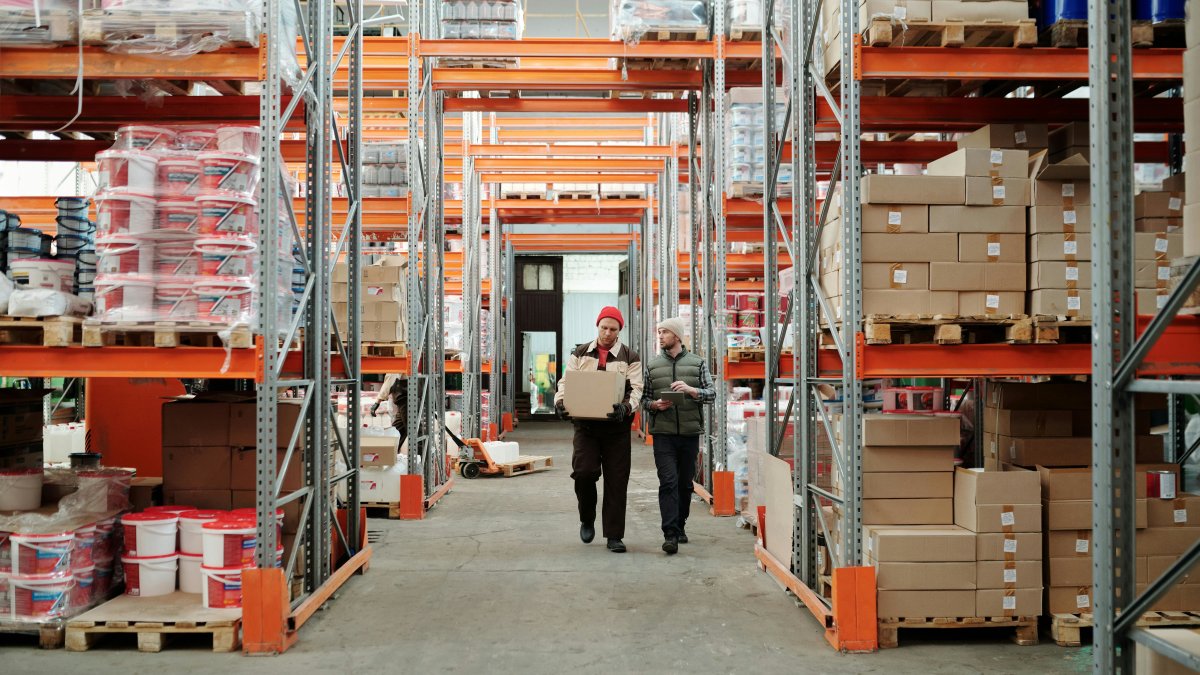
Demand changes with promotions, seasonality, new products, and client growth. A layout optimized six months ago can slowly accumulate inefficiencies as yesterday’s fast movers become today’s slow movers.
Dynamic slotting addresses that drift by shifting product-location assignments as order profiles change. This is especially important for providers of warehousing services because SKU velocity and order profiles can shift independently across client accounts.
The goal is not constant movement. It is controlled re-slotting when fresh data shows that another location would materially improve picking or replenishment performance.
Frequently Asked Questions
Does AI slotting replace a warehouse manager?
No. AI provides placement recommendations based on warehouse data, but managers still evaluate safety, equipment limitations, labor requirements, client rules, and the practicality of moving inventory.
Does AI slotting require warehouse robotics?
No. AI slotting can support manual, semi-automated, and highly automated warehouses. Its primary role is determining more efficient inventory locations based on operational data and constraints.
Can AI slotting work with an existing WMS?
Yes, provided the system can supply reliable inventory, location, SKU, and order data. The level of integration varies depending on the WMS and the slotting platform being used.
What KPIs should a 3PL track after re-slotting inventory?
Useful metrics include pick travel distance, picks per labor hour, replenishment frequency, congestion, mispicks, and total labor time. Comparing these metrics before and after re-slotting helps determine whether the change produced measurable benefits.
When is re-slotting inventory not worth the effort?
Re-slotting may not make sense when relocation labor and operational disruption outweigh the expected efficiency gains. Temporary demand spikes may also be better handled without physically moving inventory.
Build a Smarter Picking Operation
Effective slotting connects data with real warehouse conditions. Warehouse Logistics By Best provides warehousing services that help businesses organize inventory, support order fulfillment, and manage changing operational demands.
Contact our team to discuss how a 3PL warehouse strategy can support a more efficient distribution workflow.