
Supply chain management is the process of coordinating the flow of goods, information, and finances from raw materials to the end customer. Additionally, it connects suppliers, manufacturers, warehouses, distributors, and retailers into a single, synchronized system. Understanding supply chain management basics is essential for any business seeking operational efficiency.
Key Takeaways
- Supply chain management covers five core stages: planning, sourcing, production, delivery, and returns.
- Poor inventory visibility is one of the most common causes of supply chain disruption and lost revenue.
- Third-party logistics (3PL) providers can handle warehousing, fulfillment, and distribution so businesses can focus on growth.
- Real-time data and warehouse management systems (WMS) are now standard tools for effective supply chain control.
- Location matters: being close to major distribution hubs significantly reduces shipping times and costs.
- Regular inventory audits and disciplined storage planning are foundational habits, not optional extras.
Table of Contents
- The Five Core Stages of Supply Chain Management Basics
- Why Inventory Management Is Critical to Supply Chain Management Basics
- The Role of Warehousing in Supply Chain Operations
- Technology That Keeps Supply Chain Management Running
- Common Supply Chain Challenges and How to Address Them
- Things to Know
The Five Core Stages of Supply Chain Management Basics
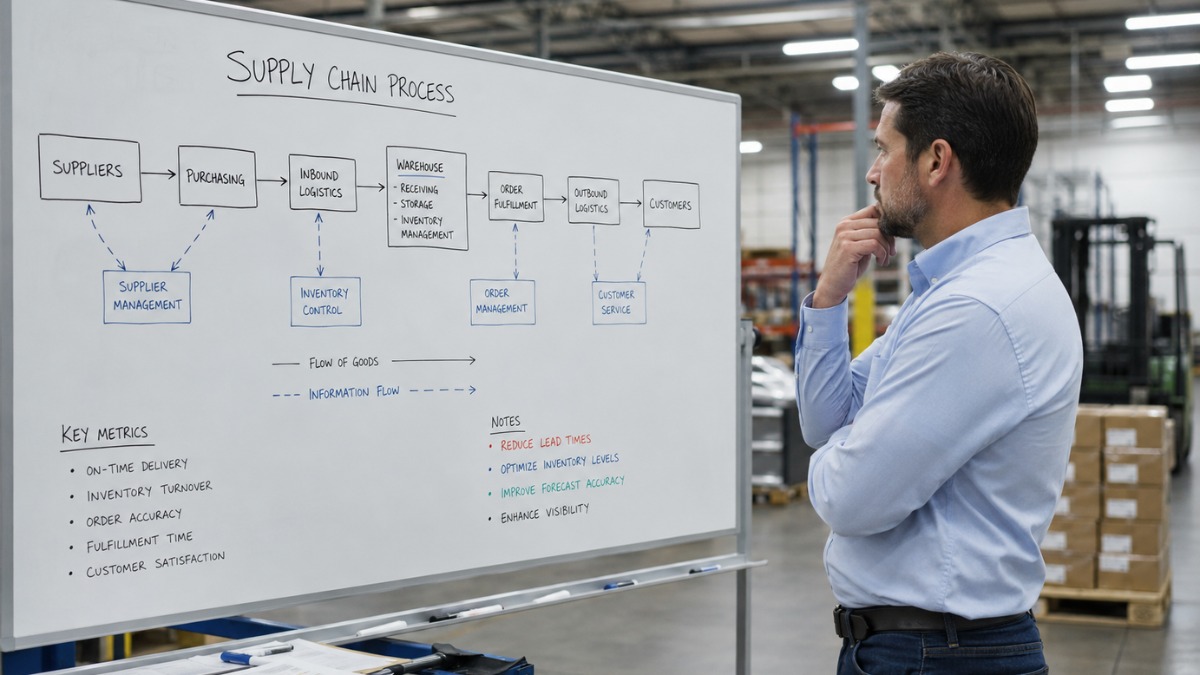
Understanding supply chain management basics starts with mapping the five stages every product moves through before it reaches a customer.
1. Plan
This is the strategic phase. Businesses forecast demand, set production schedules, and align resources. A weak planning stage leads to overstock or stockouts, both of which cost money.
2. Source
Sourcing involves selecting and managing suppliers. This stage includes negotiating contracts, evaluating supplier reliability, and ensuring raw materials meet quality standards. Furthermore, companies that diversify their supplier base are generally more resilient to disruptions. Many U.S. businesses absorbed this lesson during recent global supply shocks.
3. Make
The production or assembly stage transforms raw materials into finished goods. For businesses that do not manufacture in-house, this stage may involve contract manufacturers or third-party assembly services like kitting and bundling.
4. Deliver
Delivery covers order fulfillment, warehouse operations, transportation, and last-mile logistics. Moreover, this is where most customer-facing failures occur. Speed and accuracy here directly affect brand reputation.
5. Return
Returns management, or reverse logistics, closes the loop. An efficient returns process protects margins, recovers product value, and builds customer trust.
Why Inventory Management Is Critical to Supply Chain Management Basics
No stage of the supply chain functions well without accurate inventory data. When businesses do not know what they have, where it is, or how quickly it is moving, every downstream decision becomes a guess.
Effective inventory management means tracking stock levels in real time. It requires setting reorder points and reducing carrying costs by avoiding excess inventory. Additionally, you must be able to audit what you hold. According to the Association for Supply Chain Management (ASCM), inventory accuracy is one of the most frequently cited gaps in supply chain performance across industries.
For businesses looking to sharpen their inventory practices, understanding why regular inventory audits are essential for commercial storage is a practical starting point. Regular audits catch discrepancies early, before they compound into fulfillment errors or financial write-offs.
Equally important is having the right amount of physical space. Furthermore, reviewing how to calculate the warehouse space your business actually needs will help you avoid overstuffed storage areas. Overstuffed warehouses slow pick times and increase error rates as part of any supply chain planning exercise.
The Role of Warehousing in Supply Chain Operations
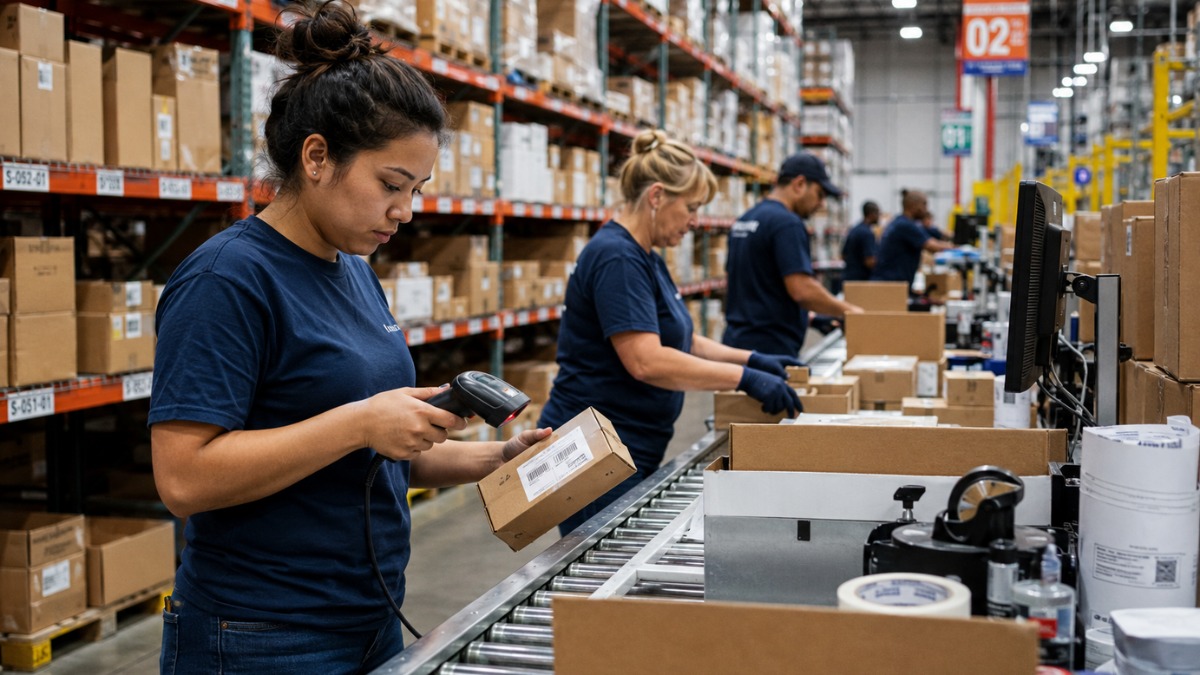
Warehousing is not just storage. It is a critical node in the supply chain where goods are received, sorted, stored, picked, packed, and shipped. How well a warehouse operates determines how fast and accurately orders reach customers.
Businesses that operate near major population and distribution centers hold a structural advantage. Those serving the East Coast can learn about the 6 benefits of warehouse storage in new york city. Benefits range from faster delivery windows to better freight rates tied to volume and carrier density in the region.
This is where 3PL providers like Warehouse Logistics NYC become relevant. Rather than investing capital in leased space and warehouse staff, brands can outsource fulfillment entirely. Therefore, Warehouse Logistics NYC offers pick and pack services. The company provides kitting and assembly, labeling, repackaging, B2C and B2B fulfillment with EDI compliance, and returns management, all under one roof in the NYC logistics hub.
Technology That Keeps Supply Chain Management Running
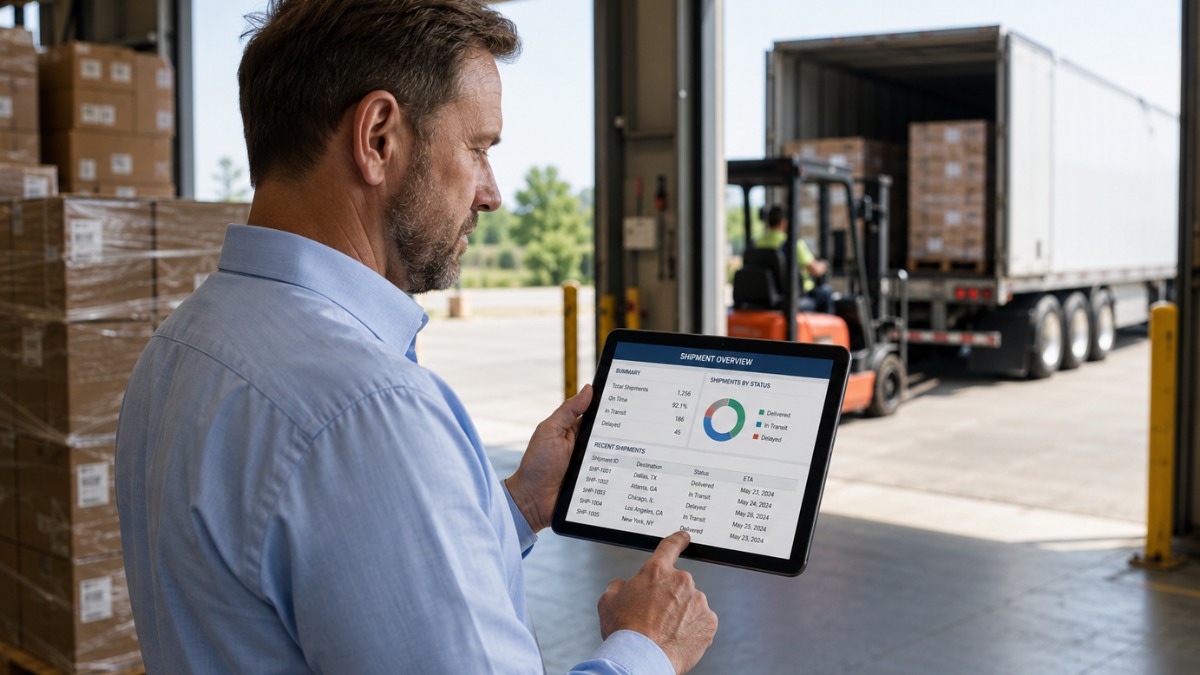
Modern supply chain management basics include a growing reliance on technology. Warehouse management systems (WMS) and real-time data tools are now essential. These platforms give operations teams visibility into stock levels, order statuses, and fulfillment performance without requiring manual counts or guesswork.
Real-time inventory tracking has become a standard expectation, not a premium feature. Businesses using real time inventory tracking how businesses stay in control of their stock discover the mechanics that help them maintain operational transparency.
Key technologies shaping supply chain operations today include:
- WMS platforms: These systems automate receiving, storage assignment, picking routes, and shipping documentation.
- EDI (Electronic Data Interchange): This standardizes order data exchange between suppliers, retailers, and 3PLs, which is essential for B2B and wholesale channels.
- Barcode and RFID systems: These improve scan accuracy during receiving and fulfillment.
- Demand forecasting tools: These use historical sales data to predict future inventory needs. They reduce manual planning errors.
Warehouse Logistics NYC provides real-time inventory visibility through its WMS. Therefore, clients gain the kind of operational transparency that supports faster decision-making across the supply chain.
Common Supply Chain Challenges and How to Address Them
Even well-designed supply chains face recurring problems. Being aware of them is the first step toward building resilience.
Demand volatility: Sales spikes from seasonal patterns or sudden market shifts can overwhelm unprepared operations. Moreover, businesses that maintain flexible storage arrangements handle these surges with less disruption. Overflow storage options provide critical relief during peak periods.
Supplier reliability: Single-source dependency is a known risk. U.S. companies with suppliers concentrated in one geographic region are vulnerable to weather events, labor disruptions, or geopolitical factors. Therefore, diversifying sources, even at a slightly higher cost, is a widely accepted risk mitigation approach.
Last-mile delivery complexity: The final leg of delivery is the most expensive and least predictable part of the supply chain. Urban markets like New York City require specialized routing and carrier partnerships to keep delivery windows competitive.
Returns volume: For eCommerce brands, return rates can run high depending on product category. Without a structured reverse logistics process, returns create inventory backlogs. These backlogs ripple upstream and disrupt operations.
Things to Know
- Supply chain disruptions cost U.S. businesses billions annually. The American supply chain system is deeply interconnected, so a problem at one node affects multiple downstream parties.
- “Just-in-time” inventory strategies reduce holding costs but increase vulnerability to supply shocks. Many businesses are now shifting toward “just-in-case” buffer stock models.
- The difference between logistics and supply chain management is scope. Logistics refers to the movement and storage of goods. Supply chain management includes those functions plus sourcing, production planning, and supplier relationships.
- Small and mid-sized businesses often underestimate warehousing costs. Rent, labor, equipment, and software together can exceed the cost of outsourcing to a 3PL provider.
- EDI compliance is not optional for brands selling into major retail chains. Retailers like Target and Walmart mandate standardized electronic order communication. Non-compliance can result in chargebacks.
Take Control of Your Supply Chain Operations Today
If your current logistics setup is costing you time, accuracy, or customer satisfaction, it is worth evaluating what a professional fulfillment partner can do for your operation. Warehouse Logistics NYC works with eCommerce, retail, wholesale, and manufacturing brands to handle the full scope of warehousing and fulfillment. As a result, you can focus on growing your business rather than managing logistics overhead.
Reach out today and tell us about your current fulfillment challenges. One of our team members will walk you through how our NYC-based 3PL services can be structured around your specific volume, product type, and delivery requirements.
Frequently Asked Questions
Q: What is the difference between supply chain management and logistics?
Logistics is a subset of supply chain management, focused specifically on the transportation and storage of goods. Supply chain management is broader and includes sourcing, supplier relationships, production planning, and demand forecasting. Logistics handles the physical movement side, while supply chain management coordinates the entire network from origin to customer.
Q: How does a 3PL provider fit into supply chain management?
A 3PL (third-party logistics) provider handles warehousing, fulfillment, and distribution on behalf of a brand, plugging directly into the delivery and returns stages of the supply chain. For growing businesses, this eliminates the need to lease warehouse space, hire fulfillment staff, or manage carrier relationships independently. A 3PL like Warehouse Logistics NYC can also provide real-time inventory data through its WMS, supporting better planning decisions across the business.
Q: What are the biggest risks in a supply chain?
The most common risks include supplier failures, demand volatility, transportation delays, and poor inventory visibility. Each of these can be mitigated through diversification, technology adoption, and flexible storage arrangements. Building redundancy into key supply chain stages, especially sourcing and fulfillment, is considered best practice among supply chain professionals.
Q: When should a business consider outsourcing its warehousing and fulfillment?
Outsourcing makes sense when in-house logistics costs are growing faster than revenue, or when fulfillment errors are affecting customer satisfaction. If your team is spending significant time managing storage, shipping, and returns rather than core business functions, a 3PL provider is worth evaluating. Many businesses find that outsourcing reduces per-order costs while improving accuracy and speed.
Q: What is EDI compliance and why does it matter?
EDI (Electronic Data Interchange) is a standardized system for exchanging business documents like purchase orders and invoices electronically between trading partners. Major U.S. retailers require EDI compliance from their suppliers. Non-compliant shipments can result in financial chargebacks or dropped vendor relationships. Businesses selling through wholesale or retail channels should ensure their 3PL supports EDI-compliant fulfillment.
The Bottom Line on Supply Chain Management Basics
Getting supply chain management basics right is not about perfecting every stage at once. Instead, it is about building visibility, reducing single points of failure, and choosing the right partners for the stages where you lack internal capacity. For most growing brands, that starts with warehousing and fulfillment.
Start by auditing where your current supply chain loses time or accuracy. Work outward from there. If warehousing and logistics are the weak points, a conversation with a 3PL provider is the most practical next step you can take.