
To find a good storage 3PL warehouse, start by defining your requirements, then compare providers based on technology, scalability, compliance, and location fit, especially if you need a 3PL warehouse in New York City. As e-commerce keeps climbing, warehousing decisions have less margin for error. In Q3 2025, U.S. retail e-commerce sales were about $299.6 billion and represented 16.4% of total retail sales.
That volume puts pressure on inventory accuracy, shipping speed, and real-time visibility.
Table of Contents
Key Takeaways✔ Define your needs first: location, product requirements, volume, seasonality, and tech integrations. ✔ Shortlist providers using NYC-focused search, 3PL directories, referrals, and validated reviews. ✔ Prioritize a strong 3PL warehouse management system for SKU-level tracking and real-time visibility. ✔ Choose a warehouse that can scale space, labor, and workflows as SKUs, channels, and returns grow. ✔ Verify compliance and safety fit early, including ISO-style quality processes and hazmat readiness if needed. |
What Is a 3PL Warehouse?
A 3PL warehouse is a third-party logistics provider that stores your products and handles warehousing operations so your team doesn’t have to run a facility in-house. For businesses, it’s a way to add capacity, expertise, and speed without signing long industrial leases or building a warehouse team from scratch.
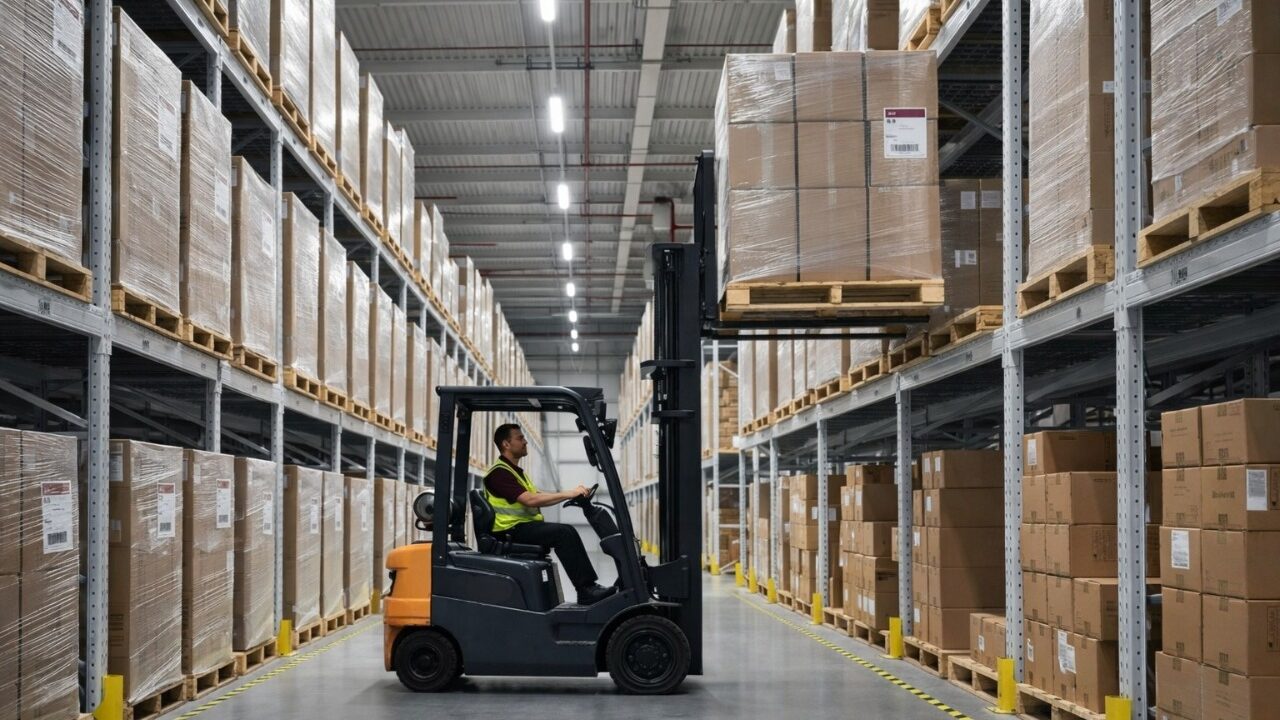
Typical 3PL warehouse services include receiving inventory, putaway, storage, cycle counts, pick/pack, shipping handoff, and returns processing. Many providers also offer 3PL warehouse solutions like kitting, labeling, and light assembly that support retail launches, promotions, or subscription programs.
Assessing Warehousing Needs Before Searching
Location Requirements
Start with geography. If customers are concentrated in the metro area, a 3PL warehouse in New York City or near NYC distribution corridors can reduce transit time and improve delivery consistency. Also consider proximity to carrier hubs, ports, airports, and major highways, since cut-off times and pickup frequency affect daily throughput.
Product Type and Storage Conditions
List what you sell and what it requires: shelf-stable cartons, pallets, fragile goods, high-value items, regulated products, or temperature-sensitive inventory. This determines whether you need specialized storage like secured cages, pallet racking, or cold storage.
Monthly Volume and Seasonality
Estimate average inbound pallets, average order lines per day, and peak multipliers (for example, 2x during holiday or promotion periods). A good fit is a warehouse that can scale labor and space without breaking accuracy.
Required Handling and Special Services
Identify any value added services 3PL warehouse support you need, such as kitting, bundling, relabeling, custom packaging, lot tracking, or retail compliance labeling. These requirements should be documented before you request quotes.
Where to Find 3PL Warehouses

Search Online
Use location-specific terms and industry qualifiers: “3PL warehouse in New York City,” “NYC storage and fulfillment,” and “3PL warehouse services for ecommerce.” On provider websites, look for clear descriptions of workflows, the tech stack, industries served, and service-level expectations.
Use 3PL Directories and Marketplaces
Directories help you filter providers by region, capabilities, and vertical experience. Use them to build a shortlist, then validate details directly with each warehouse.
Ask Your Network
Freight brokers, packaging vendors, manufacturers, and other operators often know which warehouses deliver consistent service. Referrals can speed up vetting, but you still need to confirm the fit for your product and volume.
Check Reviews, But Validate Them
Treat reviews as signals, not proof. Logistics issues can be highly situational. Use reviews to generate questions about accuracy, communication, billing clarity, and claims handling.
How to Evaluate a Storage 3PL Warehouse in New York City
Technology and Visibility
A strong 3PL warehouse management system is a key quality signal. A WMS manages workflows from receiving to shipping and can give you real-time inventory visibility. Ask what it tracks at the SKU level, how often it updates, and whether you can access dashboards or reports.
Good 3PL warehouse management system also includes barcode scanning, documented receiving, cycle counts, and clear exception handling so you always know what arrived, what’s available, what’s allocated, and what shipped.
Scalability and Growth Fit
A warehouse can work now and still fail later. Confirm they can scale space, labor, and processes as volume, SKUs, and channels grow. The best 3PL warehouse solutions align with your next 12 to 24 months, including peak spikes and returns.
If you need consistent communication, ask whether you’ll have a dedicated 3PL warehouse manager or account lead and what response times look like.
Certifications, Compliance, and Safety Standards
If your products are regulated or higher risk, verify compliance up front. ISO 9001 is a quality management framework aimed at consistent processes and meeting requirements.
If you handle hazmat, confirm documented hazmat procedures, training, and recordkeeping. Request specifics: certifications held, audit history, and the SOPs that cover receiving, storage, and shipping.
Frequently Asked Questions (FAQs)
What are the top three trends in the logistics industry?
Real-time visibility is becoming a baseline expectation, with better tracking and inventory accuracy driven by modern WMS tools. Faster delivery standards are pushing warehouses closer to customers and tightening fulfillment operations. Automation is also expanding, improving productivity through smarter picking, forecasting, and streamlined workflows.
How to get 3PL contract?
Define your requirements first, including volume, product handling, location, and integrations. Collect and compare proposals based on pricing, SLAs, onboarding, and support structure. Review contract terms for minimums, fees, liability, and performance expectations, then consider a pilot or phased rollout.
What are the 5 main activities in a warehouse?
The five core activities are receiving inbound goods, putaway and storage, picking items for orders, packing and staging shipments, and shipping outbound orders to carriers or customers.
What are the 4 Ps of logistics?
Product is what you store and how it must be handled. Place is where inventory sits to reach customers efficiently. Price is the total cost to store, fulfill, and ship. Promotion is how logistics supports demand spikes from campaigns and seasonal surges.
What is the biggest problem in logistics?
Uncertainty is the biggest issue, especially when inventory accuracy, labor capacity, and transportation reliability shift at the same time, leading to delays, stockouts, and cost overruns.
Find the Right 3PL Warehouse Partner in New York City Today
A good storage partner is the one that matches your operational needs today and your growth plan tomorrow: clear processes, reliable inventory visibility, and the right capabilities for your product.
For businesses evaluating NYC-area warehousing options, Warehouse Logistics By Best offers 3PL warehouse solutions designed around modern visibility and practical operations.
Contact our team to learn more about our warehousing solutions.