
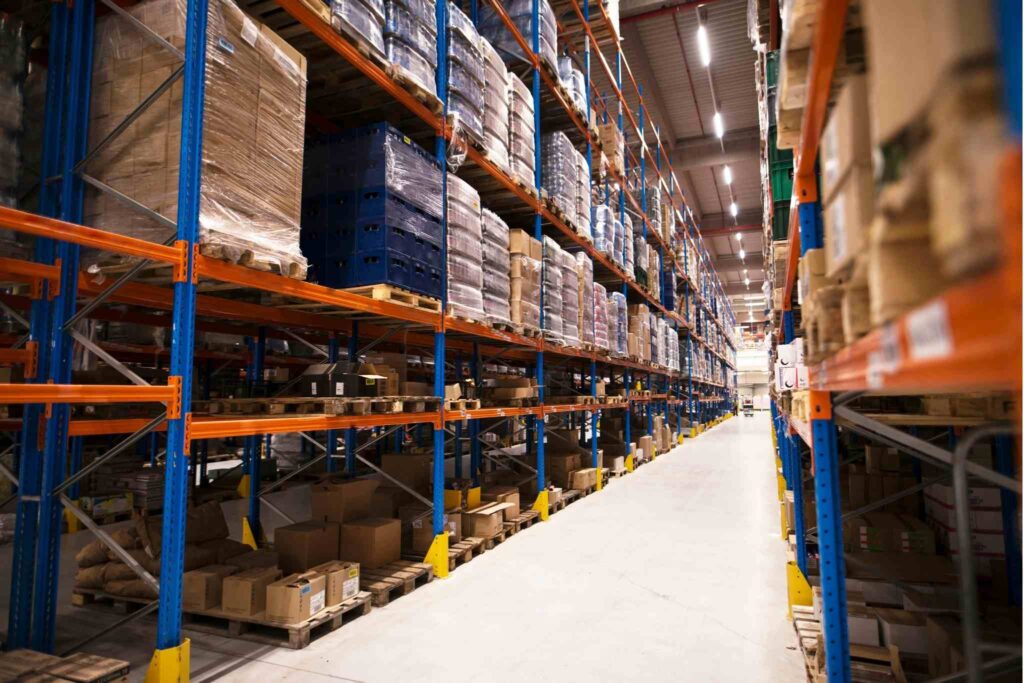

Finding the Right Warehousing in NYC
The right space is rarely the first one found. Smart operators begin with clarity and filter hard.
 Define Real Operational Needs First
Before searching listings, experienced teams map what they truly need:
- Use case: storage only, fulfillment, cross-dock, returns, or mixed.
- Volume now + 12–24 month growth: how many pallets, how many orders, how many inbound/outbound loads weekly.
- Storage style: racking vs. floor-stacking, bulk vs. palletized, cold storage, or hazmat.
- Building must-haves: clear height, dock count, truck turning radius, power, security, and parking.
Use Online Tools—But Don’t Trust Them Alone
Listings are a starting point, not the finish line. Platforms like CoStar, LoopNet, and Commercial Exchange help spot supply trends and ballpark pricing. They also reveal features that drive cost in NYC, like clear height or dock access.
Best practices for searching:
- Filter by industrial zoning and warehouse-compatible use.
- Check listing age; old postings often mean hidden constraints or stale pricing.
- Compare multiple neighborhoods to learn the real local range.
Work With a Specialized Industrial Broker
NYC industrial brokers can be the difference between a smart deal and a painful one. A broker who focuses on warehouse and logistics space can:
- Surface off-market buildings not listed online.
- Provide true comparables (not inflated asking prices).
- Flag risks like truck restrictions, non-compliant zoning, or unusable square footage.
- Negotiate on real leverage points like term length, escalations, and fees.
Visit Locations and Inspect Like an Operator
Site visits expose the costs that never appear in listings. During walkthroughs, veteran teams check:
- Usable space vs. advertised size: Columns, ramps, mezzanine restrictions, and awkward corners can reduce how much of the warehouse is actually functional.
- Floor condition: Uneven surfaces or low load ratings can limit racking height, slow equipment movement, and create forklift safety risks.
- Dock and truck access: Confirm whether 53-foot trailers can enter, turn, and load efficiently without bottlenecks or time restrictions.
- Safety and compliance: Check sprinkler coverage, clearly marked exits, ventilation quality, and the overall condition of the facility and equipment.
Negotiating the Best Price (Without Sacrificing Quality)
NYC deals are won on structure, not just rate.
Look for Discounts and Incentives
Even in NYC, landlords will often trade price for stability. Businesses should ask about:
- Lower rates for longer terms (12–36 months).
- Discounts for committing a large block of pallets.
- Introductory offers to fill space quickly.
Consider Shared or Flexible Warehouse Options
Not every brand needs dedicated space all year. Seasonal or growing companies often save money through:
- Shared 3PL storage
- Flexible monthly pallet contracts
- Hybrid models (core space + seasonal overflow)
Negotiate Payment Terms and Escalations
Payment structure can lower the true cost even when rent is firm. Smart asks include:
- Early-payment discounts
- Staged increases instead of steep year-one jumps
- Annual escalation caps
- Deposit reductions after performance history
Compare Fee Structures Carefully
Hidden fees are where warehousing in NYC makes their money. Businesses should confirm:
- Per-pallet vs. per-square-foot pricing
- Inbound/outbound handling charges
- Minimum monthly commitments
- Utilities, security, trash, and CAM fees
And most importantly: is pricing based on the full pallet position or the actual footprint used? That difference can swing costs dramatically.
Reducing Costs Even After Moving In
The best facilities get cheaper over time because operations improve.
Use Technology to Cut Labor and Errors
A WMS, RF tracking, and barcode scanning reduce mis-picks, shrinkage, and manual labor—especially valuable in NYC’s high-wage environment.
Optimize Storage to Use Less Space
Vertical racking, smarter slotting, and clear aisle planning increase cubic utilization. Many companies running warehousing NYC find they can cut footprint needs by 10–25% through layout alone.
Improve Picking Efficiency
Labor is often the biggest ongoing cost. Lean practices help:
- Logical pick paths
- SKU grouping by order pattern
- Cross-training to reduce downtime
Efficiency lowers cost per order without needing more space.
What Are the Rules for Stacking in a Warehouse?
Stacking mistakes lead to product damage, injuries, and compliance issues. Core rules include:
- Never exceed pallet or rack weight ratings.
- Keep stacks square and stable; heavier loads often need column stacking.
- Maintain safe sprinkler clearance (often 18 inches below heads).
- Avoid blocking airflow or lights, especially in food/cold storage.
Safe stacking protects inventory and prevents expensive claims.
Do’s and Don’ts in a Warehouse
Do:
- Train staff on equipment and safety.
- Keep aisles clear and labeled.
- Inspect racks, docks, and tools regularly.
- Use clear inventory labeling and bin locations.
Don’t:
- Don’t overload racks or stack past safe height.
- Don’t block exits or sprinklers.
- Don’t store incompatible products together.
- Don’t delay equipment maintenance.