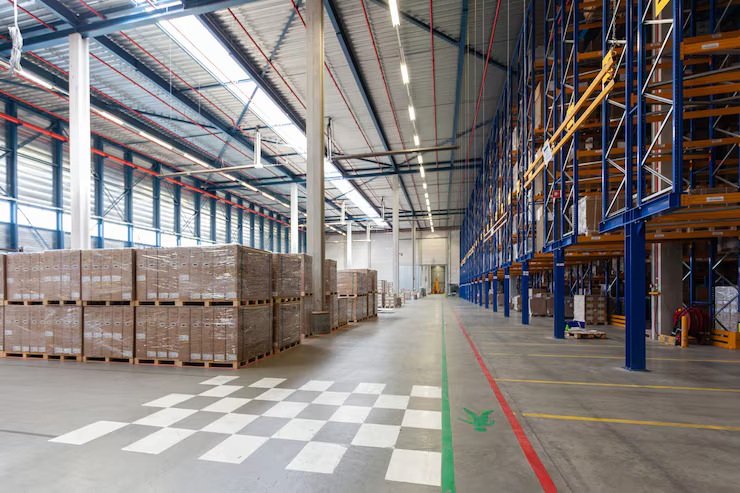
According to the New York State Comptroller, NYC’s transportation and warehousing sector has experienced steady job growth in recent years, largely driven by the surge in goods movement. This trend reflects how essential warehousing in NYC has become for fast, reliable distribution.
Whether you’re handling e-commerce fulfillment or regional deliveries, warehousing in NYC plays a defining role in how efficiently (and profitably) your company operates.
Table of Contents
Key Takeaways
 Warehousing in NYC boosts supply chain speed by keeping inventory close to millions of consumers.
Local NYC warehousing reduces last-mile delivery costs, delays, and fuel usage.
A growing NYC warehouse labor force strengthens regional logistics reliability.
Proximity to major transportation modes makes warehousing in NYC ideal of fast, multi-channel distribution.
Choosing the right NYC warehouse partner improves fulfillment, inventory control, and overall supply chain efficiency.
Why Is Warehousing Important in Supply Chain Management?
Warehousing is the backbone of a reliable supply chain. It holds inventory exactly where and when you need it—close to your customers, accessible to transportation routes, and ready for fulfillment.
This rising demand is reflected in the workforce itself; CBRE reports that NYC’s warehouse labor force is expected to grow 21.6% by 2033.
For businesses serving the Northeast region or the greater New York metropolitan area, the importance multiplies.
- Products remain available during peak seasons
- Deliveries stay fast and consistent
- Your company has a buffer against supply chain disruptions
- Inventory is managed strategically rather than reactively
What Are Three Key Parts of Warehousing Logistics?
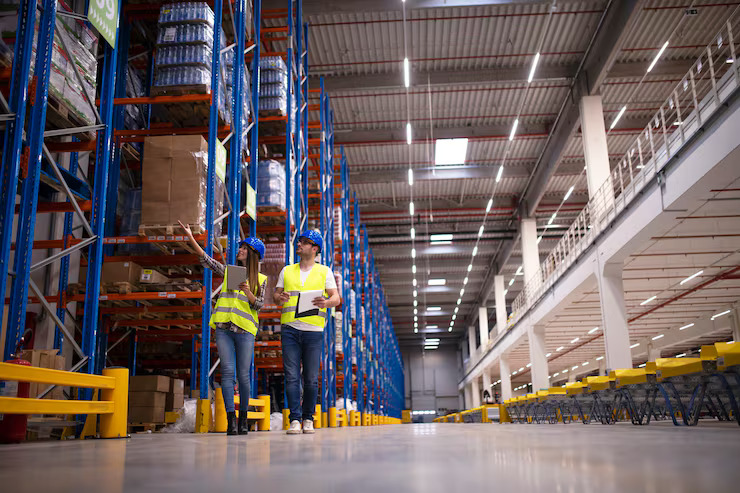
Effective warehousing logistics revolve around three core components:
1. Storage
Inventory must be stored safely, efficiently, and in compliance with industry-specific requirements. Square footage in NYC is precious, and warehousing services NYC requires maximizing every inch of available space.
2. Handling & Movement
The flow of goods—receiving, sorting, stacking, picking, packing, and shipping—must operate with precision. Inefficient movement creates bottlenecks that slow down your entire supply chain.
3. Information Flow
Real-time visibility into inventory levels, stock locations, outbound orders, and inbound shipments is essential. Modern businesses depend on data to forecast accurately and respond quickly.
What Are the 4 Functions of Warehousing?
Warehousing fulfills four essential supply chain functions:
1. Storage
Protecting goods between production and distribution.
2. Consolidation & Break-Bulk
Combining small shipments into larger ones—or breaking larger shipments into smaller batches to reduce transportation costs.
3. Cross-Docking & Distribution
Minimizing storage time and allowing goods to move directly from inbound to outbound transportation.
4. Value-Added Services
This includes kitting, labeling, repackaging, reverse logistics, inspection, and custom order prep. For many companies using warehousing in NYC these services can significantly reduce labor time and operating costs.
Positive Impacts on Supply Chain Efficiency
Proximity to Customers
Storing goods close to one of the largest and most demanding consumer markets in the U.S. provides an immediate competitive edge. With warehousing in NYC, businesses benefit from:
- Significantly shorter transit times
- Faster replenishment for retail and e-commerce
- Improved delivery reliability during peak seasons
- Reduced risk of delays caused by long-haul transportation
Faster Order Fulfillment
Shorter distances translate directly into shorter fulfillment cycles. By using warehousing in NYC, businesses experience:
- Accelerated picking and packing
- Greater delivery predictability
- Higher customer satisfaction for time-sensitive orders
- Stronger alignment with same-day or next-day delivery expectations
Reduced Last-Mile Costs (Per Delivery)
The final stretch of delivery—known as the last mile—is often the most expensive due to fuel, labor, and route complexity. Local warehousing in NYC helps businesses:
- Shorten delivery routes
- Lower fuel and carrier expenses
- Consolidate deliveries more efficiently
- Reduce missed delivery attempts
Supply Chain Resilience
A resilient supply chain keeps moving even when disruptions occur. Leveraging warehousing in NYC strengthens resilience by allowing businesses to:
- Maintain safety stock within proximity
- Pivot quickly during weather events or port delays
- Reduce reliance on long-haul transportation
- Recover faster from unexpected demand spikes
Multiple Transportation Modes
NYC’s infrastructure supports nearly every major transportation method, giving businesses maximum flexibility when routing inventory. With warehousing in NYC, companies gain access to:
- Highways and truck routes for regional distribution
- Ports for international import/export
- Rail lines for bulk or long-distance movement
- Air freight hubs like JFK and Newark
- Extensive last-mile courier networks
How to Be More Efficient in a Warehouse
A warehouse becomes an efficiency engine with the right approach. Key strategies include:
- Optimizing the layout to reduce travel time
- Implementing advanced WMS software
- Training staff using standardized procedures
- Using automation where appropriate
- Practicing lean inventory management
Challenges to Efficiency
Even with incredible advantages, NYC brings unique challenges that businesses must navigate.
- High Costs and Space Constraints: Real estate costs and limited square footage are continual hurdles.
- Severe Traffic Congestion: Delivery trucks can face hours of delays without strategic routing and scheduling.
- Stringent Regulations: From zoning rules to truck access windows, NYC regulations can complicate operations.
- Operational Complexities: Managing inventory for high SKU counts and unpredictable demand requires strong systems and expert oversight.
What to Look for When Choosing a Warehousing Partner in NYC
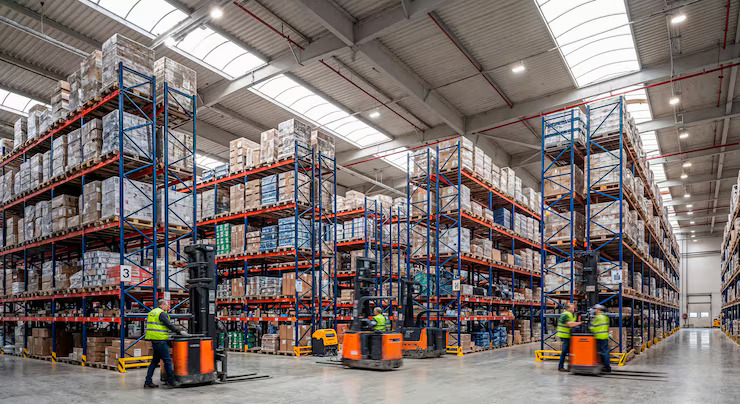
A capable partner should offer:
- Strategic location
- Scalable space
- Technology-driven systems
- Strong security
- Industry-specific experience
- Transparent pricing
- Value-added services
Warehouse Logistics By Best provides all the above with the reliability and professionalism businesses depend on.
Frequently Asked Questions (FAQs)
What industries benefit most from warehousing in NYC?
E-commerce, retail, fashion, pharmaceuticals, and food distributors benefit most because warehousing in NYC keeps inventory close to major consumer demand.
Is warehousing in NYC suitable for businesses outside New York?
Yes. Many out-of-state companies use warehousing in NYC to access the Northeast market and speed up regional deliveries.
How does warehousing in NYC support peak-season demand?
It positions extra inventory nearby, helping businesses handle order spikes without delays or high shipping costs.
Can small businesses benefit from warehousing in NYC?
Absolutely. Warehousing in NYC helps small businesses lower shipping costs and offer faster delivery options.
What technology features should I expect from a modern NYC warehouse?
Expect real-time inventory tracking, barcode/RFID scanning, and automated picking tools—standard for warehousing in NYC today.

Strengthen Your Supply Chain With the Right Warehousing Partner
Your supply chain is only as strong as the warehouse supporting it. With the right partner, you can increase speed, reduce costs, and deliver a consistently better customer experience.
If your business wants faster fulfillment, stronger inventory control, and smarter distribution strategies, it’s time to explore how warehousing in New York, NY, can transform your operations.
Consult with us today!