

Warehouses do not run on “general labor” alone. They run on clearly defined roles. As order cycles get tighter and inventory expectations rise, businesses are leaning more on specialized warehouse positions and clearer warehouse worker job description standards, whether they manage operations in-house or use warehousing services.
Table of Contents
What You Should Know
|
What Does a Warehouse Worker Do?
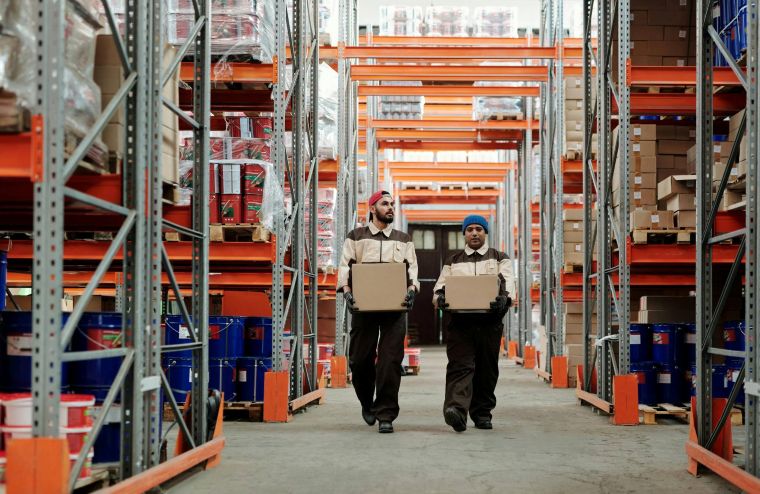
A warehouse worker supports the flow of goods through a facility, from inbound receiving to outbound shipping. A typical warehouse worker job description includes some combination of these responsibilities:
- Receiving and verifying inbound shipments
- Putting items away into assigned storage locations
- Picking items for orders and staging them for packing
- Packing and labeling orders for carrier pickup
- Loading shipments and keeping dock areas organized
- Updating inventory records using a WMS, scanner, or ERP
For businesses, the key point is that “warehouse worker” is an umbrella role. In many operations, it is broken into specialized warehouse positions to reduce errors and keep throughput predictable.
Why Warehouse Job Titles Matter in Warehousing Services
Clear warehouse job titles help businesses run tighter operations because they set expectations for tasks, training, and accountability. In practice, job clarity supports:
- Faster ramp-up: Training matches the actual role instead of a vague warehouse worker job description.
- Cleaner handoffs: Receiving, putaway, pick, pack, and ship are separated and measurable.
- Better safety compliance: Equipment operation and dock work can require additional training and oversight.
21 Warehouse Worker Positions and Their Duties
1. Warehouse Associate (General Warehouse Worker)
A flexible warehouse worker who supports daily needs across the floor. Typical tasks include scanning, staging, picking, and packing based on workload.

2. Receiving Associate
Handles inbound freight by unloading shipments and verifying counts against paperwork. Flags damage, shortages, or overages before items enter inventory.
3. Shipping Associate
Prepares outbound orders for pickup by staging freight, confirming labels, and checking carrier requirements. Helps ensure shipments match shipping documents.
4. Order Picker
Pulls items for orders using RF scanners or pick lists. Confirms the correct SKU and quantity before sending items to packing or staging.
5. Packing Associate
Packs orders to protect products in transit, then labels and inserts required paperwork. Focuses on consistency to reduce damage and returns.
6. Inventory Control Specialist
Keeps inventory records accurate by researching mismatches between physical stock and system counts. Supports process fixes that prevent repeat errors.
7. Cycle Counter
Performs scheduled counts by zone, bin, or SKU group. Updates records and escalates recurring variances for investigation.
8. Material Handler
Moves products between receiving, storage, pick areas, and shipping lanes. Helps prevent congestion by keeping product flow steady.
9. Forklift Operator (Certified)
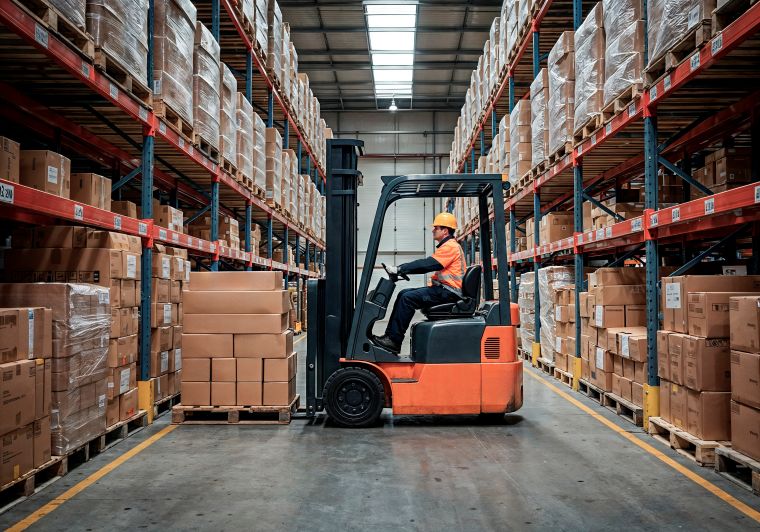
Operates forklifts to move pallets, load/unload trucks, and support putaway or replenishment. Follows safety procedures and daily equipment checks.
10. Reach Truck Operator
Retrieves and stores pallets in high racking and narrow aisles. Works with precision to reduce rack damage and product loss.
11. Pallet Jack Operator
Uses manual or electric pallet jacks to move pallets for staging and replenishment. Supports faster dock flow and pick-line supply.
12. Dock Worker/Dock Associate
Manages dock activity by organizing lanes, sequencing freight, and coordinating door flow. Helps reduce delays and keep appointments on schedule.
13. Loader/Unloader
Loads and unloads trailers based on load plans and handling rules. Secures freight to reduce shifting and damage in transit.
14. Quality Control (QC) Inspector
Checks items and orders for condition, labeling, and accuracy before shipping or restock. Identifies issues early to reduce rework and returns.
15. Returns Processor (Reverse Logistics Associate)
Inspects returns and routes items to restock, refurbish, quarantine, or disposal. Updates inventory status so available stock stays accurate.
16. Kitting/Assembly Associate
Builds multi-item kits or bundles from separate SKUs. Verifies components and labeling to match the kit requirements.
17. Labeling Associate
Applies barcodes, SKU labels, and compliance labels for tracking and shipping. Prevents scan failures and mis-shipments caused by unclear IDs.
18. Warehouse Clerk/Admin Support
Handles documentation and system entries such as BOLs, receipts, and schedules. Communicates with carriers, drivers, and internal teams.
19. Warehouse Supervisor
Leads the shift by assigning work, adjusting priorities, and tracking KPIs. Supports training, performance coaching, and safety compliance.
20. Warehouse Manager
Oversees operations, staffing plans, and inventory strategy. Manages performance across accuracy, service levels, and cost controls.
21. Safety Coordinator/Warehouse Safety Lead
Drives safety routines through inspections, training support, and incident reporting. Focuses on reducing risks tied to equipment and material handling.
Frequently Asked Questions (FAQs)
What is the hierarchy of warehouse roles?
Most warehouses start with entry-level warehouse worker roles, move up to specialized warehouse positions (receiving, shipping, inventory control), then supervisors, and finally a warehouse manager overseeing operations and warehousing services.
What is a warehouse associate?
A warehouse associate is a general warehouse worker who supports core tasks like picking, packing, scanning, staging, and basic inventory handling. It is one of the most common warehouse job titles.
Is warehouse work blue collar?
Yes. Warehouse work is typically blue-collar because most warehouse positions are hands-on, supporting physical operations within warehousing services.
What does a warehouse associate do?
A warehouse associate scans and moves inventory, picks items, packs orders, and stages shipments. The exact warehouse worker job description varies by facility and workflow.
What are the best warehouse jobs?
For business operations, the best warehouse jobs are roles that protect speed and accuracy, such as order picker, shipping associate, receiving associate, inventory control specialist, and forklift operator. These warehouse job titles are key to reliable warehousing services.
Ready to Strengthen Your Warehousing Services in New York, NY?
If your team is evaluating warehousing services in New York, NY, use the 21-role list above to sanity-check whether your current staffing matches your real operational needs.
Warehouse Logistics By Best works with businesses that need dependable warehouse support without building everything in-house. Our services are designed to help companies store inventory, manage inbound and outbound flow, and keep orders moving through a consistent process.